Evolving Layouts: Art Basel Miami Beach 2025's Fair Map Signals Broader Market Transformations
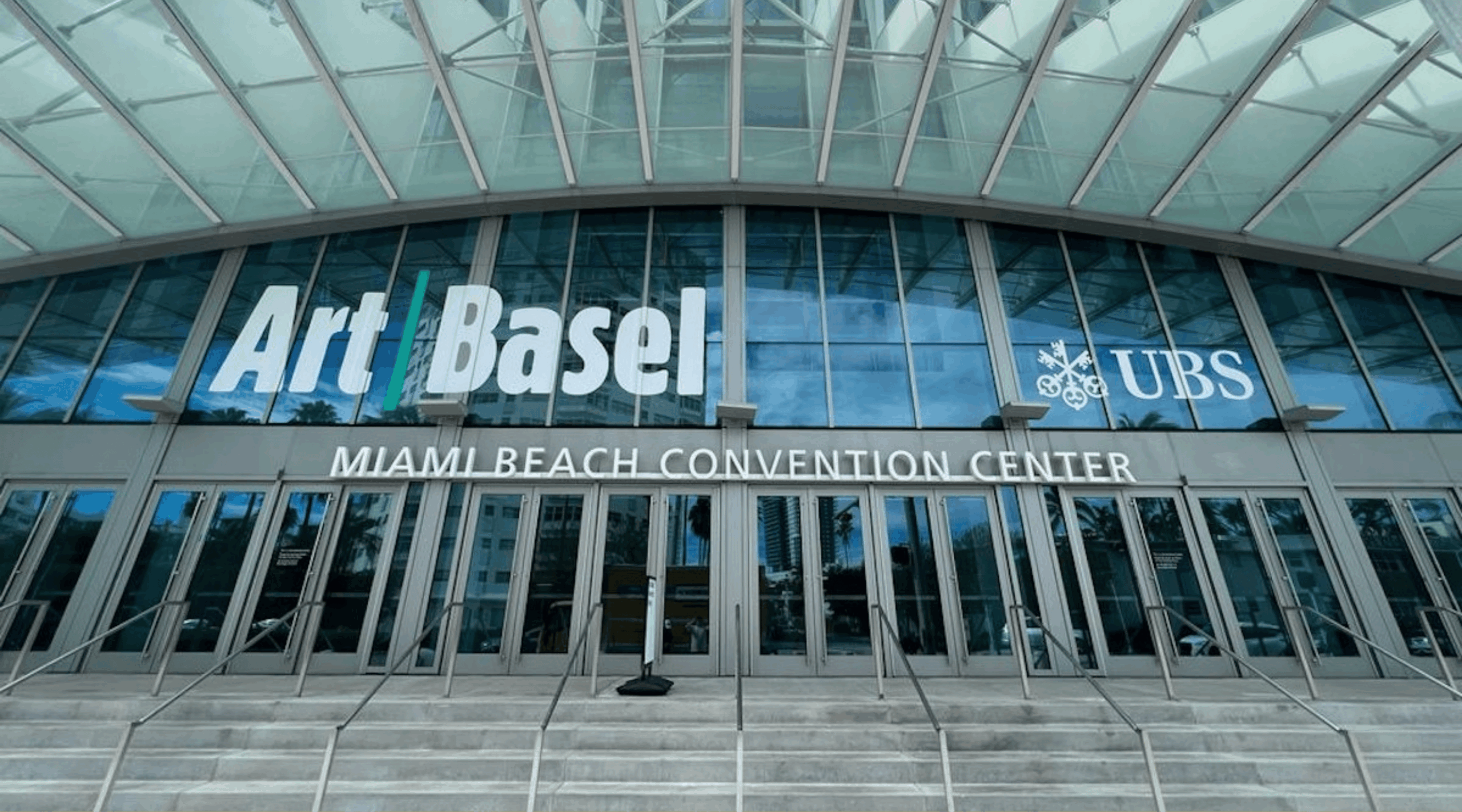
As the art world converges on Miami for the 23rd edition of Art Basel Miami Beach from December 4 to 8, 2025, a subtle yet telling evolution in the fair's floor plan has sparked discussions about the shifting dynamics of the global art market. The updated map, released ahead of the event at the Miami Beach Convention Center, reveals adjustments in booth configurations, sector placements, and gallery participations that mirror broader economic pressures, strategic realignments, and emerging trends like digital art integration. With an unprecedented number of gallery withdrawals and a pivot toward shared spaces and secondary market focuses, this year's layout underscores a market in transition—one grappling with post-pandemic recovery, auction volatility, and geopolitical uncertainties. Amidst these changes, the fair remains a pivotal barometer for contemporary art, drawing over 280 galleries from around the world and fostering dialogues on sustainability, diversity, and innovation.
Art Basel Miami Beach, launched in 2002 as an extension of the original Basel fair founded in 1970, has grown into one of the premier events in the Americas, attracting collectors, curators, and celebrities alike. Held annually in early December, it coincides with Miami Art Week, featuring satellite fairs like Untitled Art, Design Miami, and NADA Miami, alongside museum exhibitions and public installations. The convention center's sprawling 500,000-square-foot space typically hosts sectors such as Galleries (the main section for established dealers), Nova (for recent works by up to three artists), Positions (solo presentations by emerging talents), and Meridians (large-scale installations). This year's edition, under the direction of Bridget Finn, emphasizes themes of cultural exchange and technological advancement, with new initiatives like Zero 10 dedicated to digital and AI-driven art.
The most noticeable change in the 2025 fair map is the reconfiguration of shared booths, which highlights galleries' efforts to mitigate rising costs in a softening market. In 2024, the Nova section featured four shared booths, allowing younger galleries to split expenses and exposure. Conversely, the main Galleries sector had only two such pairings: New York's Bortolami with London's Thomas Dane, and Franklin Parrasch sharing with his Los Angeles outpost, Parrasch Heijnen. For 2025, this dynamic has inverted. Nova now hosts just one shared booth between Santiago's Isabel Aninat and Madrid's Espacio Valverde (the latter having previously collaborated with Zurich's Fabian Lang in Nova last year). In contrast, the Galleries sector boasts several new collaborations, including Bortolami/Dane and Parrasch/Parrasch Heijnen retaining their spots, alongside fresh pairings like New York's Andrew Kreps with Anton Kern (longtime friends in the dealer community), March Gallery with Los Angeles' Parker, and São Paulo's Galatea with Buenos Aires' Isla Flotante.
This shift toward more shared spaces in the prestigious main sector suggests a strategic response to financial strains. As one dealer noted in industry reports, the six-figure booth fees—ranging from $50,000 to over $200,000 depending on size and location—have become increasingly burdensome amid sluggish primary market sales. By partnering, galleries can pool resources, diversify offerings, and attract a broader collector base, reflecting a broader trend of consolidation in the art ecosystem.

Another key alteration is the relocation of the Positions sector, traditionally a launchpad for solo shows by up-and-coming artists. Previously situated in a prominent area, it has been moved to a more integrated booth layout near the Washington Street exits between A and B. In its former spot now stands the inaugural Zero 10 initiative, a curated platform for digital art announced in early November 2025. This move signals Art Basel's push toward embracing technology, featuring immersive VR experiences, NFT integrations, and AI-generated works from galleries like Bitforms and Upstream. The emphasis on digital aligns with market growth in this niche, where sales have rebounded post-2022 crypto crash, driven by institutional interest from entities like the Museum of Modern Art and private collectors exploring blockchain provenance.
Gallery participation has also seen significant flux, with 14 originally announced exhibitors withdrawing—an all-time high for the fair. Notable dropouts include New York's Miguel Abreu, Paris' Chantal Crousel, London's Alison Jacques, Zurich's Peter Kilchmann, New York's Edward Tyler Nahem, São Paulo's Luisa Strina, Milan's Lia Rumma, Shanghai's BANK, Cologne's Galerie Buchholz, New York's Company Gallery, London's Pilar Corrias, New York's Greene Naftali, and New York's David Nolan Gallery. Some, like San Francisco's Altman Siegel and New York's Tilton, have shuttered entirely, while others such as Los Angeles' Blum, Chicago's Rhona Hoffman, and Berlin's Peres Projects have closed amid broader gallery contractions. Miguel Abreu cited the overload of fall fairs and a "less than stellar" 2024 Miami performance as reasons for pulling out, a sentiment echoed by others facing tariff uncertainties, U.S. political shifts, and complex visa and shipping logistics for international dealers.
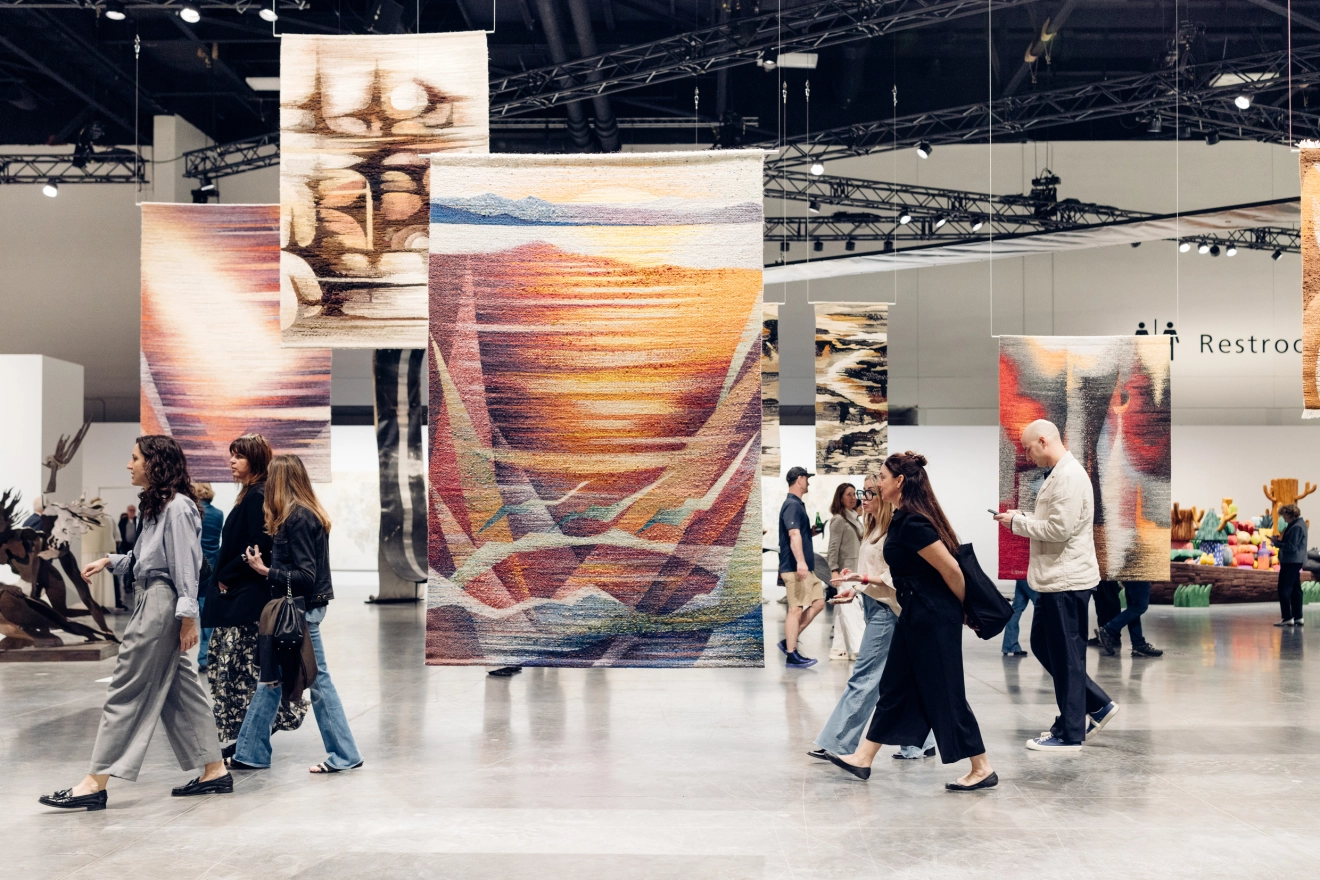
To fill these voids, Art Basel added 12 new galleries, including first-timers like London's Richard Saltoun, presenting Olga de Amaral's 1973 textile sculpture Hojarasca barbas de piedra. A standout debut is Pace Di Donna Schrader Galleries, a new venture by Pace's Marc Glimcher and collector Donna Schrader, aimed at bolstering the secondary market. Glimcher told the New York Times there are "no great, great secondary market galleries," a bold claim underscoring the fair's pivot toward historical works amid primary market woes. This addition reflects auction influences: Recent New York sales in November 2025 totaled $2.2 billion, with Frida Kahlo's self-portrait fetching a record $54.7 million for a female artist, boosting interest in similar pieces at the fair, such as Weinstein Gallery's miniature Kahlo Autorretrato en Miniatura.
These changes illuminate deeper market shifts. The art world has faced a contraction since 2023, with primary sales (fresh studio works) declining due to economic slowdowns, while secondary markets (resales of established artists) show resilience. UBS's 2025 Art Market Report notes a 7% drop in global sales to $65 billion in 2024, attributed to inflation, geopolitical tensions, and collector caution. In Miami, this manifests in a reduced footprint for the main sector, potentially indicating fewer high-risk contemporary bets. Instead, galleries are leaning into proven names: David Zwirner offers Jeff Koons' Balloon Venus Lespugue (Red) (2013–19), previously sold for $8 million; Lévy Gorvy Dayan presents Andy Warhol's Muhammad Ali portrait at $18 million; Hauser & Wirth showcases Pablo Picasso's 1951 Paloma portrait; and Gagosian features Warhol's A Boy for Meg (1961) from Bill Bell's collection.
Auction ripples are evident elsewhere. Lynne Drexler's Keller Fair II (1960) sold for $2.03 million at Christie's, prompting Berry Campbell to bring her Blue Bay (1968) and White Cube to exhibit Tribute (1963). Weinstein Gallery also highlights surrealists like Yves Tanguy's Second Message III (1930) and Kay Sage's Journal of a Conjuror (1955), capitalizing on recent sales. Thematic elements add depth: Es Devlin's large-scale installation outside the Faena Hotel addresses banned books, while Freight+Volume's Meridians piece, Ward Shelley's The Last Library IV: Written in Water (2020–25), creates an interactive banned-book environment.
Expert opinions vary. Bridget Finn, fair director, views the withdrawals as cyclical, pointing to "tremendous momentum" from Art Basel Paris and New York auctions as signs of recovery. However, dealers express jitters, with one anonymous source telling the Times, "It's a good opportunity to be bold," amid fears of overexposure. The fair's smaller booth options, introduced last year, aim to alleviate pressures, but international participants cite U.S. tariffs and borders as deterrents. Meanwhile, Paris' success—full halls and record sales—suggests a potential shift in the art world's center of gravity toward Europe, emphasizing curation over spectacle.
Despite challenges, optimism persists. Miami's local scene thrives, with seven hometown galleries participating—more than any U.S. city except New York and L.A. The fair's hybrid model, blending physical and digital, positions it for future growth. As collectors navigate this transformed landscape, Art Basel Miami Beach 2025 not only maps spatial changes but charts the art market's adaptive path forward.
In conclusion, the 2025 fair map's alterations—from shared booth proliferations to digital sector introductions—reveal a market recalibrating amid uncertainty. While withdrawals signal caution, new entries and auction-driven highlights promise vitality. As the event unfolds, it will test whether these shifts herald a resilient rebound or prolonged adjustment in the global art economy.

FAQ
What are the main changes in the Art Basel Miami Beach 2025 fair map?
The map features more shared booths in the Galleries sector, a relocated Positions section, and the introduction of Zero 10 for digital art, replacing Positions' former spot.
Why have galleries withdrawn from the fair?
Withdrawals, totaling 14, stem from high costs, poor previous sales, fall fair overload, and external factors like tariffs and political uncertainty.
How do these changes reflect market shifts?
They indicate a softening primary market, increased focus on secondary resales, and adaptation to economic pressures through collaborations and digital integration.
What notable artworks are featured this year?
Highlights include Jeff Koons' Balloon Venus at David Zwirner, Andy Warhol's Muhammad Ali portrait at Lévy Gorvy Dayan ($18 million), and Frida Kahlo's miniature self-portrait at Weinstein Gallery.
Is there optimism despite the challenges?
Yes, fair director Bridget Finn cites momentum from recent auctions and Art Basel Paris as signs of recovery, with the market showing "renewed confidence at the top end."