Exploring Frida Kahlo: The Making of an Icon at the Museum of Fine Arts, Houston
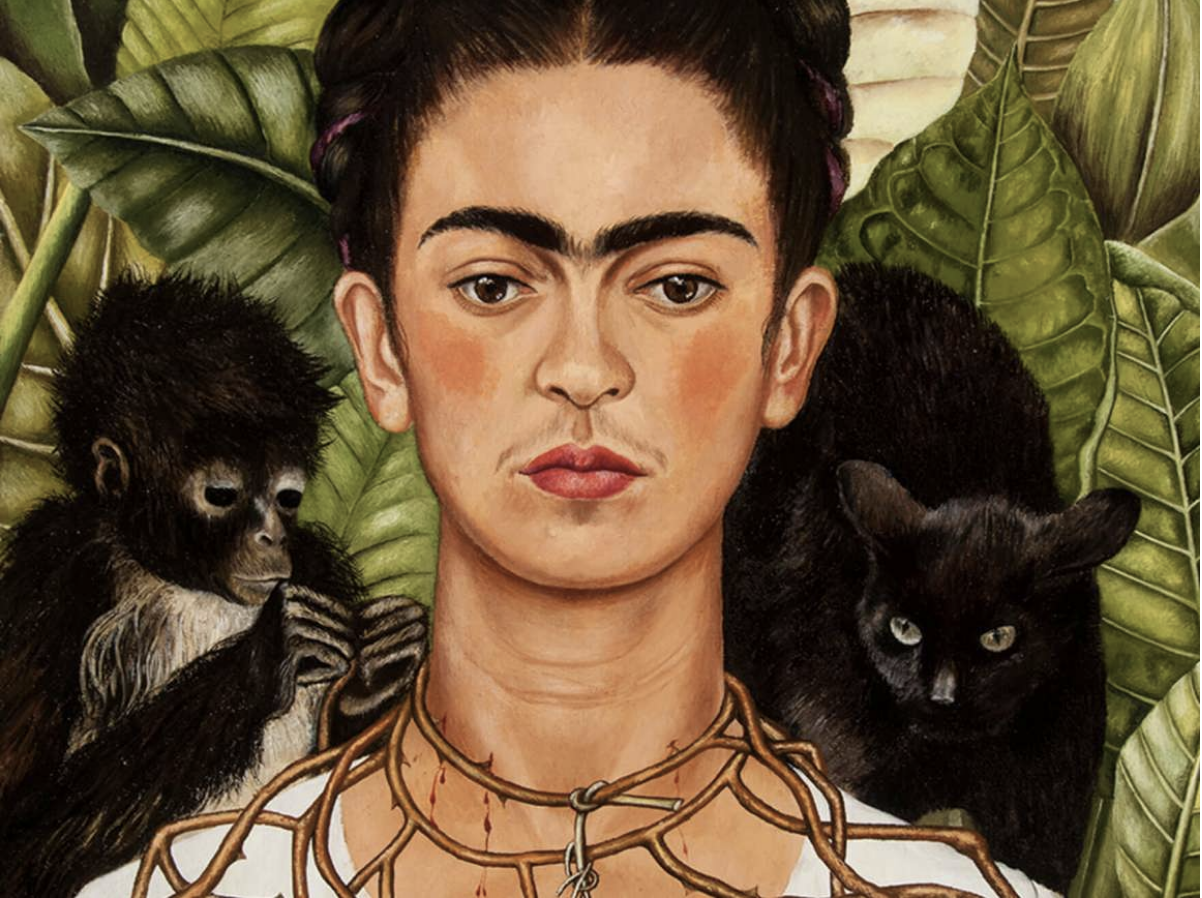
Frida Kahlo remains one of the most enduring figures in modern art, her image as recognizable as her bold, unflinching paintings that blend personal turmoil with cultural symbolism. Born in 1907 in Coyoacán, Mexico, Kahlo's life was marked by physical suffering, passionate relationships, and a fierce commitment to her Mexican heritage. Her works, often self-portraits, delve into themes of identity, pain, and femininity, drawing from folk art traditions and surrealist influences. Today, she is not just an artist but a global icon, inspiring fashion, film, and feminist movements. The upcoming exhibition at the Museum of Fine Arts, Houston (MFAH), titled "Frida: The Making of an Icon," seeks to unpack this evolution, separating the artist from the celebrity phenomenon she has become.
Curated by Mari Carmen Ramírez, the MFAH's curator of Latin American art, the show opens on January 19, 2026, and runs through May 17, before traveling to London's Tate Modern. It's not a traditional retrospective; instead, it features Kahlo's own masterpieces alongside works by nearly 80 artists across five generations who have drawn inspiration from her. Archival materials from the Museo Frida Kahlo in Mexico City, including photographs, documents, clothing, and jewelry, add a personal layer, offering visitors a glimpse into the life behind the legend. As Ramírez states, the exhibition aims to distinguish "Frida Kahlo the artist from Frida Kahlo the phenomenon," highlighting how her posthumous fame has sometimes overshadowed her artistic contributions.
Kahlo's journey to icon status began modestly. She initially gained recognition as the wife of renowned muralist Diego Rivera, whose larger-than-life personality and political murals dominated the Mexican art scene in the early 20th century. Rivera's works, such as his epic frescoes depicting Mexican history and indigenous struggles, influenced Kahlo, but she carved her own path. Their tumultuous marriage—marked by infidelity, divorce, and remarriage—became fodder for her art, infusing it with raw emotion. One poignant example is Diego and I (1949), a self-portrait where Rivera's face appears on Kahlo's forehead like a third eye, symbolizing her obsessive love and pain. This piece, which fetched a record $35 million at auction in 2021, is a highlight of the MFAH show, underscoring her ability to transform personal anguish into universal statements.

Kahlo's art defies easy categorization. While often associated with Surrealism—a movement led by André Breton that emphasized the unconscious and dreamlike—Kahlo rejected the label, insisting her paintings were rooted in her reality. "They thought I was a Surrealist, but I wasn't. I never painted dreams. I painted my own reality," she once said. Her reality included a childhood bout with polio and a devastating bus accident at age 18 that left her with lifelong injuries, including multiple surgeries and chronic pain. These experiences fueled works like The Heart (1937), where a bleeding heart is pierced by rods, evoking her emotional and physical torment. The exhibition showcases such pieces, reminding viewers of Kahlo's resilience and her use of symbolism drawn from Mexican folk art, Catholic iconography, and pre-Columbian motifs.
The MFAH exhibition goes beyond Kahlo's oeuvre to explore her influence on contemporary artists. For instance, Rupert García's Frida Kahlo (September) reimagines her in a pop-art style, blending her image with political activism. Yreina D. Cervántez's Homenaje a Frida Kahlo pays tribute through Chicana feminist lenses, incorporating indigenous elements to honor Kahlo's heritage. Other contributors include Laura Aguilar, Judith F. Baca, Judy Chicago, Catherine Opie, and Carrie Mae Weems, whose works respond to Kahlo's themes of body politics, identity, and resistance. Martine Gutierrez's Demons, Tlazoteotl ‘Eater of Filth’ draws on Aztec mythology, echoing Kahlo's fusion of ancient and modern. Yasumasa Morimura's An Inner Dialogue with Frida Kahlo (Hand-Shaped Earring) playfully subverts gender norms by inserting himself into Kahlo's persona, highlighting her enduring appeal in queer and performance art.
One of the exhibition's strengths is its contextualization of Kahlo's rise to fame. After her death in 1954, her work languished in relative obscurity until the 1970s feminist art movement rediscovered her. Artists like Miriam Schapiro, whose Conservatory (Portrait of Frida Kahlo) is featured, celebrated Kahlo as a pioneer of female self-representation. The show also addresses the commodification of her image, from merchandise to Hollywood films like the 2002 biopic starring Salma Hayek. A composite image in the exhibition juxtaposes Nickolas Muray's 1939 photograph Frida on a White Bench, New York with surrounding Frida-branded products, critiquing how her likeness has been commercialized while her radical politics—anti-capitalist, pro-communist—are often glossed over.
The venue itself, the Museum of Fine Arts, Houston, adds to the experience. As one of the largest art museums in the U.S., the MFAH boasts a world-class collection of Latin American art, making it an ideal host for this show. Visitors can explore the exhibition in the museum's modern spaces, perhaps starting with the exterior that blends classical and contemporary architecture.

Kahlo's early works, like Self-Portrait (in a Velvet Dress) (1926), her first self-portrait, reveal a young artist experimenting with European influences while asserting her individuality. Painted to impress a former lover, it shows her in elegant attire, her gaze direct and challenging. In contrast, later pieces like Moses (1945) incorporate mythological and Freudian elements, depicting a baby Moses amid historical figures, reflecting her interest in origins and destiny after a miscarriage. My Dress Hangs There (1933), set against a New York skyline, critiques American capitalism with floating symbols of waste and excess, while her traditional Tehuana dress hangs empty, symbolizing her absent self amid cultural displacement.
The exhibition's inclusion of archival items brings Kahlo's personality to life. Photographs by Nickolas Muray, her lover and collaborator, capture her vibrant style—flowing skirts, flower crowns, and bold jewelry that celebrated Mexican indigeneity. Documents detail her political activism, including her affiliation with the Communist Party and support for Trotsky during his Mexican exile. Clothing items, like her iconic Tehuana dresses, underscore how she used fashion as armor against her disabilities, turning vulnerability into strength.

Beyond the artworks, the show prompts reflection on Kahlo's legacy in today's world. In an era of social media influencers and personal branding, her self-fashioning feels prescient. Artists like Mary McCartney, whose Being Frida, London is included, explore performative identity, dressing as Kahlo to interrogate fame. Dulce María Núñez's Homage to Frida weaves in threads of migration and cultural hybridity, relevant to Houston's diverse population.
As visitors wander through the galleries, they might ponder how Kahlo's pain-fueled creativity resonates with contemporary issues like chronic illness representation and body positivity. The exhibition doesn't shy away from her complexities—her bisexuality, her affairs, her unapologetic embrace of the grotesque—presenting her as a multifaceted human rather than a sanitized icon.

In summary, "Frida: The Making of an Icon" at the MFAH is a must-see for art enthusiasts, offering a nuanced look at an artist who transcended her era. By juxtaposing her works with those she inspired, it traces the threads of influence that have woven her into the fabric of global culture. Whether you're drawn to her vivid colors, symbolic depth, or indomitable spirit, this exhibition reaffirms why Frida Kahlo endures.

FAQ
What is the dates and location of the Frida Kahlo exhibition? The exhibition "Frida: The Making of an Icon" is at the Museum of Fine Arts, Houston from January 19 to May 17, 2026, and then moves to Tate Modern in London.
How many artworks are in the show? It features key works by Frida Kahlo and pieces by nearly 80 other artists inspired by her, plus archival materials.
Is Frida Kahlo considered a Surrealist? While associated with Surrealism, Kahlo rejected the label, saying she painted her reality, not dreams.
What role did Diego Rivera play in her life? Rivera was her husband, mentor, and frequent subject in her art; their relationship was passionate but stormy. Learn more about his murals.
Where can I learn more about Frida Kahlo's biography? Visit the official Frida Kahlo site or her Wikipedia page for detailed insights.
Are tickets required for the exhibition? Yes, check the MFAH website for ticketing and hours to avoid any issues.