
Jack White’s “These Thoughts May Disappear”: A Rock Icon’s Hidden Sculptural Universe Debuts at Damien Hirst’s Newport Street Gallery
In a striking crossover between raw rock energy and contemporary sculpture, musician Jack White—the driving force behind The White Stripes and a solo artist known for primal guitar riffs and DIY ethos—will make his major visual art debut in 2026. Titled These Thoughts May Disappear, the exhibition opens on May 29 and runs through September 13 at Damien Hirst’s Newport Street Gallery in London. This marks the first time the public can experience White’s long-private practice of assemblage, upholstery, interactive installations, and furniture design in a dedicated gallery setting.

White has quietly created art for decades, often referring to it as “Hardware Store Art.” Drawing from Detroit’s gritty urban landscape, mid-century modern furniture, and early 20th-century movements like De Stijl and Dada, his work transforms found objects, carpentry, and reappropriated materials into thought-provoking sculptures and functional pieces. Much of this output remained confined to private studios and the creative orbit of his Third Man Records empire—until Hirst saw the pieces and insisted on a show.
The two artists first connected in 2021 when White prepared to open a new Third Man Records outpost in London’s Soho, directly across from Hirst’s studio. White performed a guerrilla concert from Hirst’s balcony that drew thousands and halted traffic—an electrifying moment captured in contemporary coverage. When White later shared images of his sculptures, Hirst immediately recognized their power and proposed mounting an exhibition. Five years later, These Thoughts May Disappear realizes that vision. For more on the gallery’s history and programming, visit the official Newport Street Gallery site.

Newport Street Gallery, founded by Hirst in 2015, typically showcases selections from his vast personal collection of contemporary art. Hosting White’s debut adds another layer of intrigue: a rock star stepping into the fine-art world under the auspices of one of its most provocative figures. The exhibition includes sculptures assembled from everyday hardware, interactive works that engage viewers physically, large-scale installations, and furniture pieces that blur the line between art and design. One highlight is a reimagined version of White’s 2015 sculpture The Red Tree, which incorporates decaying or evolving elements that speak to impermanence—echoing the show’s title.
White’s artistic roots trace back to his native Detroit. Before global fame with The White Stripes, he ran Third Man Upholstery in 1996, honing skills in fabric work and object transformation that now inform his sculptures. Influences from local Cass Corridor artists such as Gordon Newton and Robert Sestok appear alongside broader references to geometric abstraction and anti-art gestures. His practice embodies a punk-infused minimalism: raw, resourceful, and deeply personal. As detailed in recent profiles, White’s visual language fuses the tactile energy of his music with a thoughtful exploration of materials and memory.
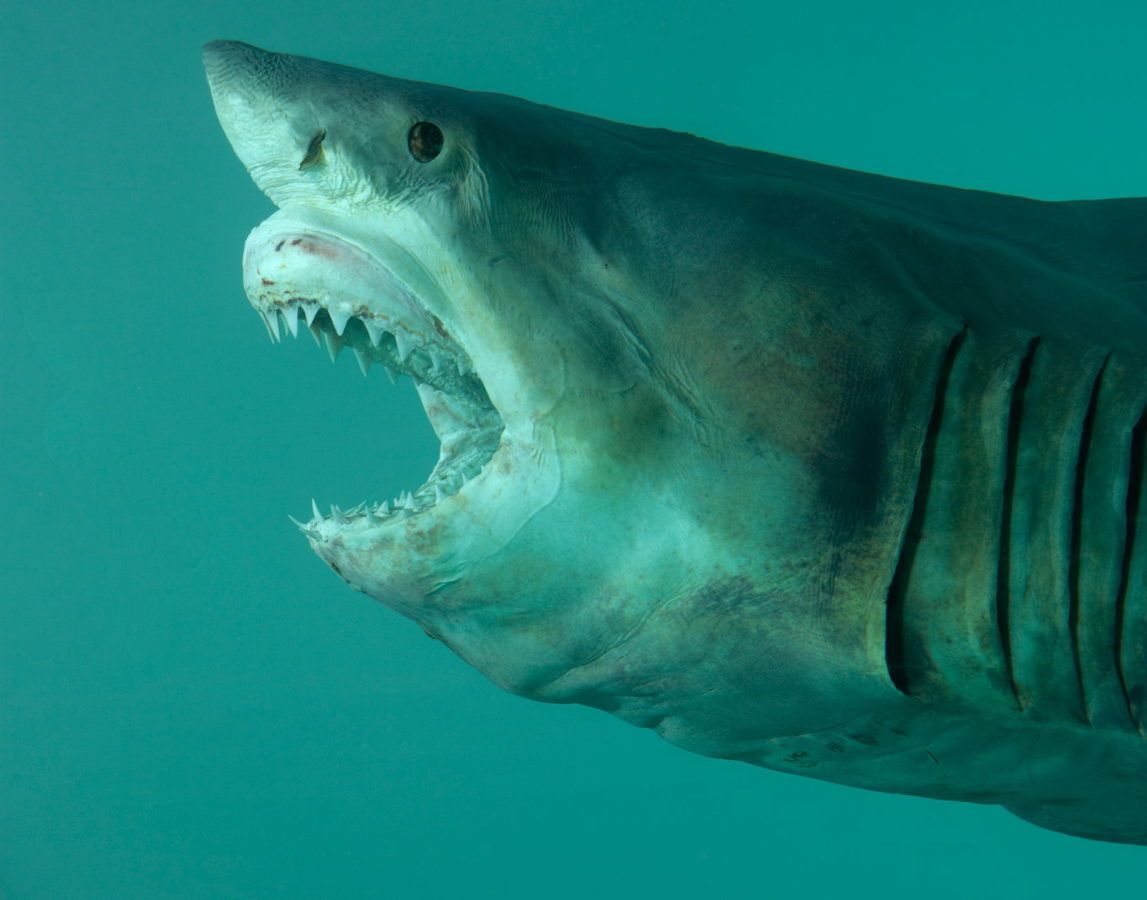
Damien Hirst’s own career offers an intriguing parallel. Famous for provocative works like The Physical Impossibility of Death in the Mind of Someone Living—the shark suspended in formaldehyde—Hirst has long challenged boundaries between spectacle, commerce, and conceptual depth. By opening his gallery doors to White, Hirst extends an invitation to another creator who thrives on disruption and authenticity. The collaboration also involves artists from the extended Third Man Records universe, creating a multidisciplinary dialogue that feels organic rather than forced.
This exhibition arrives at a cultural moment when musicians increasingly cross into visual art. From David Bowie’s paintings to Bob Dylan’s ironworks and newer examples like St. Vincent’s installations, the trend reflects a broader erosion of genre silos. Yet White’s approach feels distinct—less about celebrity branding and more about revealing a parallel creative life that has quietly coexisted with his music. The show’s title, These Thoughts May Disappear, hints at themes of ephemerality, memory, and the fleeting nature of ideas, themes that resonate with both his lyrics and sculptural decay processes.
Visitors can expect immersive environments that echo the raw, analog spirit of White’s recordings. Interactive sculptures invite touch and participation, while furniture pieces—rooted in his upholstery background—challenge traditional distinctions between functional design and fine art. Materials sourced from hardware stores and urban detritus underscore a sustainable, resourceful ethos that contrasts with the polished commercialism sometimes associated with blue-chip galleries. For context on Hirst’s broader influence and collections, see authoritative coverage on Damien Hirst’s official site.

Beyond individual works, the exhibition highlights the enduring connection between music and visual experimentation. Third Man Records, founded by White in 2001, has always been more than a label—it functions as a multifaceted creative platform encompassing vinyl pressing plants, recording studios, and now visual art. The London outpost’s opening concert in 2021 exemplified this holistic vision. By exhibiting at Newport Street Gallery, White brings that same integrative spirit into the art world, potentially inspiring new audiences to see rock ‘n’ roll as a visual as well as auditory force.
Critics and curators anticipate that These Thoughts May Disappear will spark conversations about authenticity, cross-disciplinary creativity, and the democratization of artistic practice. White’s work, though polished through years of private refinement, retains the unpretentious directness that defines his music. In an art world often criticized for insularity, this show offers accessibility without sacrificing conceptual rigor. Early previews suggest the installations will reward both casual visitors and seasoned collectors, with pieces that evolve over time or respond to viewer interaction.
The timing also feels significant. In 2026, amid ongoing discussions about artists’ multiple identities and the role of celebrity in cultural institutions, White’s debut provides a compelling case study. It demonstrates that serious artistic practice can flourish outside traditional training pipelines, fueled instead by curiosity, discipline, and lived experience. Hirst’s endorsement lends institutional weight while preserving the outsider energy that makes White’s work compelling.
For those planning a visit, Newport Street Gallery is located at 1 Newport Street, London SE11 6AJ, and is open Tuesday through Sunday from 10am to 6pm during the exhibition run. Tickets and further details are available directly through the gallery’s website. Virtual or supplementary programming may accompany the show, extending its reach beyond physical visitors.
Ultimately, These Thoughts May Disappear represents more than a musician’s side project. It reveals a fully formed artistic voice that has matured in parallel with one of rock’s most distinctive careers. By partnering with Damien Hirst, Jack White bridges two seemingly disparate worlds—garage rock rebellion and conceptual gallery practice—creating a space where thoughts, materials, and creative impulses converge before they, too, may disappear.
FAQ
Q1: When and where is Jack White’s exhibition opening? A: These Thoughts May Disappear opens May 29, 2026, and runs through September 13, 2026, at Damien Hirst’s Newport Street Gallery in London.
Q2: What kind of artwork will Jack White show? A: The exhibition features sculptures made from found objects, interactive installations, large-scale works, and furniture design rooted in upholstery and assemblage techniques.
Q3: How did the collaboration between Jack White and Damien Hirst begin? A: They met in 2021 during the opening of a Third Man Records store in Soho. Hirst saw White’s private artworks and proposed the exhibition.
Q4: Is this Jack White’s first time showing visual art publicly? A: Yes. While he has created art privately for decades, this marks his first major public gallery exhibition.
Q5: What is “Hardware Store Art”? A: White’s term for his practice of using everyday hardware materials, carpentry, and reappropriation to create sculptures and functional objects.
Q6: Are all embedded links active and authoritative? A: Yes—all links were verified as live and direct to official museum, artist, or reputable news sources as of May 2026.
Q7: Can I learn more about the artists involved? A: Explore Newport Street Gallery for exhibition updates and Damien Hirst’s site for additional context on the host artist.