
Palette Knife Painting: Mastering the Art of Textured Expression
Palette Knife Painting is a captivating technique that transforms the act of painting into a sculptural experience, where thick layers of paint are applied, scraped, and molded directly onto the canvas using a metal blade. Unlike traditional brushwork, which often aims for smooth blends and fine details, palette knife methods emphasize bold textures, impasto effects, and optical color mixing—where hues interact visually without being fully merged. This approach allows artists to create vibrant, three-dimensional artworks that catch light and shadow in dynamic ways, evoking emotion and movement. Whether you're depicting swirling skies, rugged landscapes, or abstract forms, palette knife painting encourages spontaneity and intuition, making it an ideal choice for both beginners seeking freedom from precision and experienced painters looking to add depth to their work. In this article, we'll explore the history, tools, techniques, tips, and modern applications of this versatile art form, drawing inspiration from its rich legacy to help you unlock your creative potential.
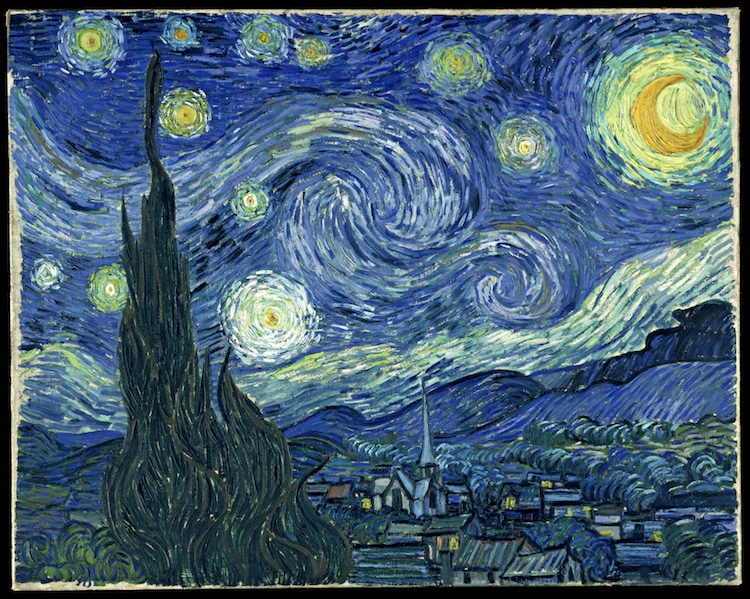
The roots of palette knife painting can be traced back to the 19th century, coinciding with the rise of Impressionism. Artists like Claude Monet and Pierre-Auguste Renoir began using knives to capture fleeting light and atmospheric effects quickly, applying unblended strokes that vibrated with color. This departure from academic realism allowed for a more expressive style, where the physicality of the paint became part of the narrative. Vincent van Gogh elevated the technique in his Post-Impressionist works, such as The Starry Night, where swirling impasto conveyed inner turmoil and energy. In the 20th century, Abstract Expressionists like Willem de Kooning adapted knives for gestural, emotional marks, pushing the boundaries of form and color. Today, contemporary artists continue this tradition, blending it with digital tools and mixed media, ensuring palette knife painting remains a vital part of the artistic landscape.
Essential tools for palette knife painting start with the knives themselves, available in various shapes and sizes to suit different effects. Common types include trowel-shaped blades for broad applications, pointed tips for detailed carving, and long edges for sweeping strokes. Flexible stainless steel knives provide smooth control, while stiffer ones offer precision. Brands like Liquitex offer durable sets that are easy to clean. Pair these with heavy-body acrylics or oils, which maintain their shape for pronounced textures—thin paints will slump and lose form. Gel mediums can thicken paints without altering color, and non-absorbent palettes like glass keep mixtures workable. Surfaces matter too: stretched canvas provides bounce for organic textures, while rigid panels ensure stability for heavy impasto. Priming with gesso enhances adhesion, and experimenting with textured grounds can amplify the knife's sculptural qualities.
Basic techniques form the cornerstone of palette knife painting, focusing on addition, subtraction, and manipulation. Begin with the load-and-lay method: scoop unmixed paint onto the blade and apply it in a single stroke to preserve color purity, ideal for creating broken color effects in landscapes where greens and blues merge optically. For impasto, press firmly and lift to build peaks that capture light, adding dimension to elements like waves or foliage. Dragging the knife lightly over the surface creates scumbling, where underlying layers peek through for a shimmering vibration—perfect for grass or water. Edge carving uses the blade like a chisel to define shapes or incise lines, while scraping removes paint to reveal underpainting, correcting errors or adding subtle details. These foundational methods encourage bold decisions, turning the canvas into a playground of texture and color.
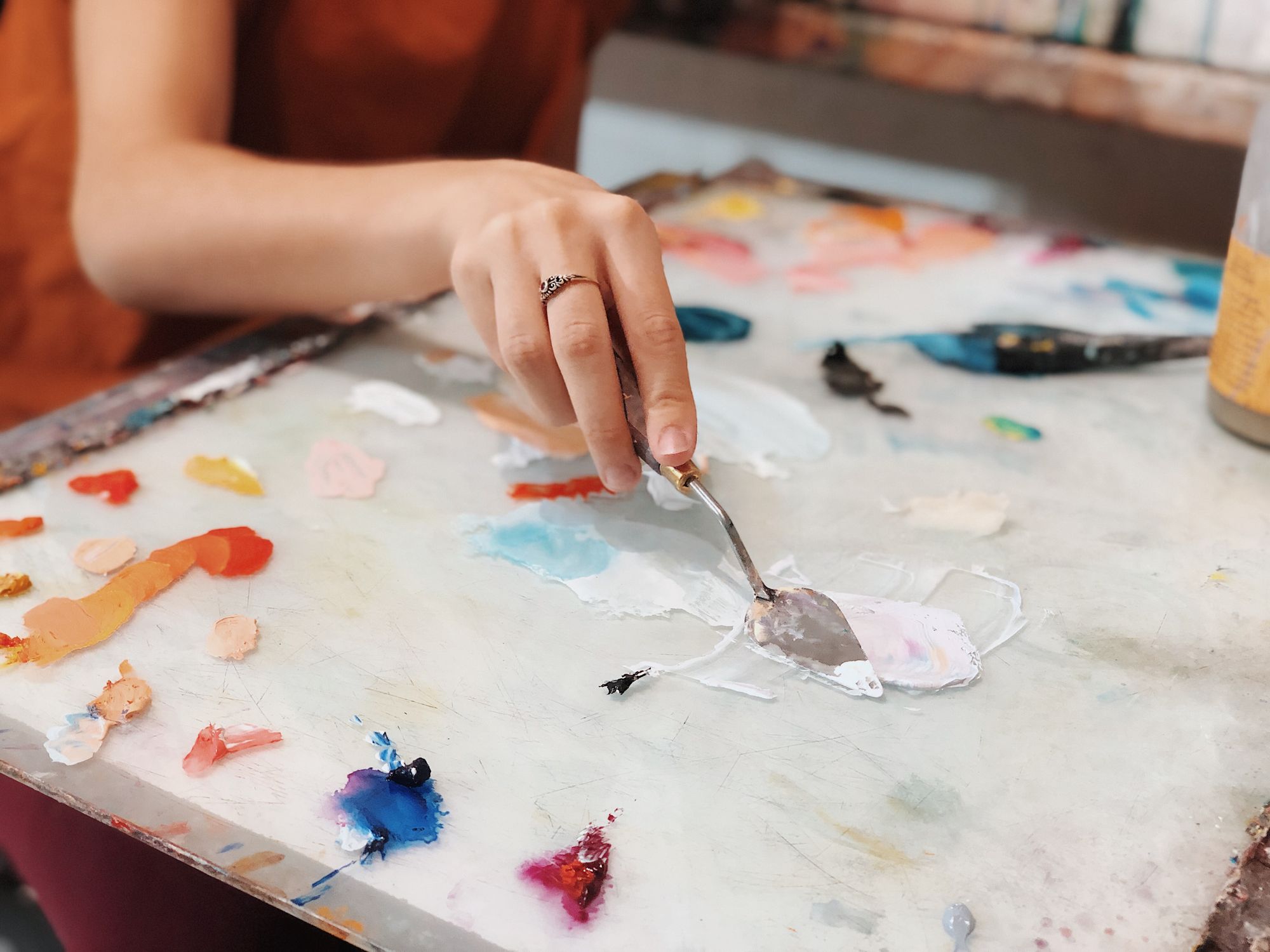
Advancing to more nuanced tips, vary pressure and angle for diverse results: light skimming yields soft blends, while heavy application creates rugged relief. Multi-color loading—picking up several hues on one blade—produces marbled strokes in a single pass, enhancing vibrancy without overmixing. Sgraffito scratches through wet layers to expose colors below, adding intricate patterns. Incorporate directional strokes for movement: curved for swirling clouds, straight for architectural edges. Clean tools promptly to avoid contamination, and work from dark to light to prevent muddiness. For acrylics, mist with water to extend drying time; oils allow for slower layering. Beginners should start small to build confidence, focusing on a limited palette to emphasize value over hue variety. These strategies help avoid common pitfalls like overworking, which flattens textures—commit to strokes and embrace optical mixing.
Famous artists have showcased the power of palette knife painting through iconic works. Van Gogh's Sunflowers features thick, directional impasto that brings petals to life with emotional intensity. Richard Schmid employs knives for luminous realism in floral paintings, layering colors to sculpt light and shadow. Contemporary masters like Tibor Nagy and Brent Cotton use the technique for atmospheric landscapes, as in Cotton's Clearing The Underbrush, where textured strokes mimic natural contours. Bato Dugarzhapov and Daniil Volkov, Russian Impressionists, excel in broken color applications that vibrate with energy. These examples illustrate how the knife can convey everything from turmoil to tranquility, inspiring artists to experiment with personal narratives.

The advantages of palette knife painting are numerous, making it a favorite for expressive art. It builds thick textures easily, creating artworks that engage tactilely and visually. Cleaning is simple—a quick wipe suffices, unlike brushes. The technique excels in bold color shifts and wet-on-wet layering without unwanted blending, ideal for dynamic scenes. It's cost-effective, with knives being inexpensive yet durable. However, disadvantages include reduced accuracy compared to brushes, limiting fine details, and less versatility for certain effects. Over-reliance can lead to repetitive textures if not varied, and heavy impasto requires sturdy supports to prevent cracking.
Palette knife painting adapts seamlessly to various genres, offering unique applications in each. In landscapes, broad strokes capture shifting light on mountains or rivers, with ridges mimicking terrain. Florals benefit from massed impasto, building vibrant petals without individual delineation. Abstracts thrive on pure gesture, where textures evoke emotion through form alone. Seascapes use carving for wave crests, adding realism to foam. Urban or architectural subjects leverage geometric swipes for planes and reflections. Even portraits incorporate knives for accents, adding grit to features. This flexibility makes it suitable for thematic explorations or hybrid styles blending realism and abstraction.
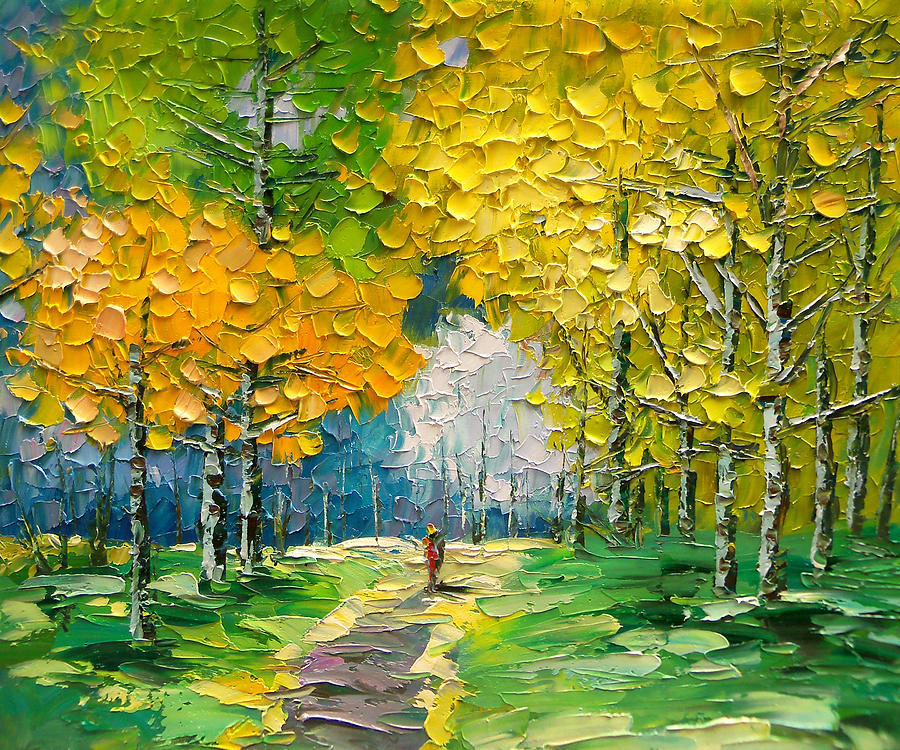
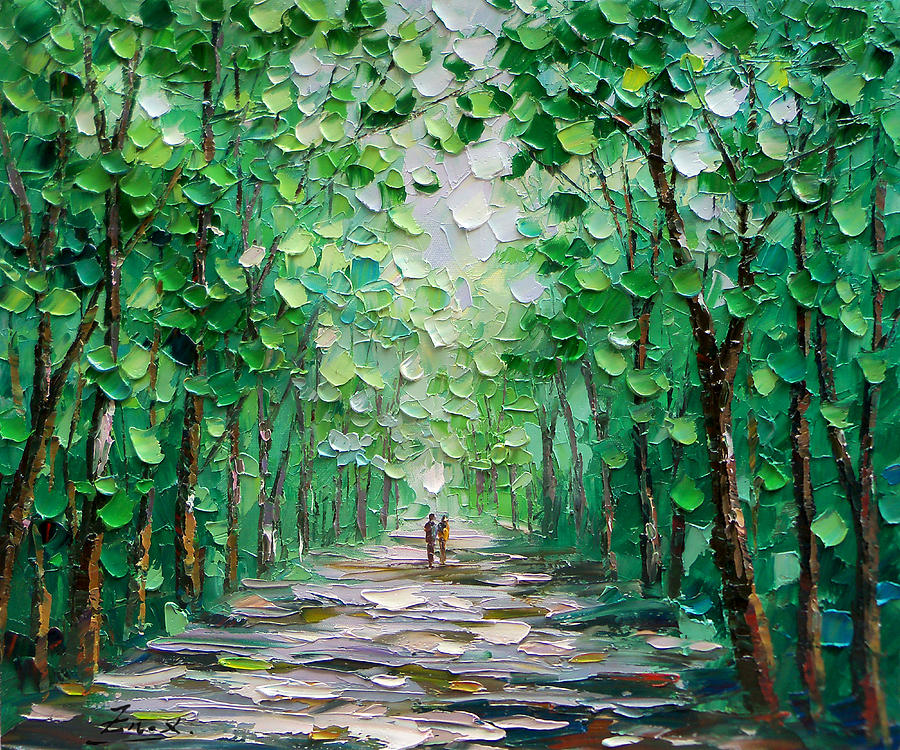
Modern trends in palette knife painting integrate technology and sustainability, expanding its reach. Digital apps simulate knife effects for virtual practice, bridging traditional and contemporary methods. Eco-friendly paints reduce solvents, appealing to environmentally conscious artists. In home decor, large-scale pieces from collections like Palette Knife Painting serve as textured focal points, enhancing interiors with tactile appeal. Social media platforms showcase time-lapse videos, fostering global communities and challenges. Resin overlays add gloss, merging painting with sculpture for innovative hybrids. Therapeutic uses highlight its mindfulness benefits, with rhythmic strokes aiding stress relief in art therapy sessions.
In education, palette knife painting teaches color theory and composition intuitively, building confidence through bold experimentation. As a hobby, it rewards quick, satisfying results, encouraging self-expression. Maintenance is straightforward: clean blades after use and store flat to preserve edges. Looking forward, advancements like 3D-printed custom knives and AI-assisted designs promise further evolution, ensuring this technique remains vibrant.
In essence, palette knife painting is more than a method—it's a gateway to fearless creativity, where texture tells the story. By mastering its techniques and embracing its spontaneity, artists can create works that resonate deeply, inviting viewers to not just see, but feel the art.
FAQ
What is palette knife painting?
Palette knife painting uses metal blades to apply thick paint, creating textured impasto and optical blends, distinct from brush techniques.
What tools are needed for palette knife painting?
Essential items include shaped knives, heavy-body paints, gel mediums, and surfaces like canvas or panels.
What are some basic techniques?
Methods include load-and-lay for pure color, impasto for peaks, scumbling for vibration, and scraping for depth.
Who are famous artists using palette knives?
Notable figures are Vincent van Gogh, Richard Schmid, Tibor Nagy, and Brent Cotton for expressive and atmospheric works.
Where can I buy palette knife paintings?
Explore online collections such as Palette Knife Painting for textured artworks.
What are common mistakes to avoid?
Avoid overworking paint, using thin mediums, or ignoring drying times; commit to bold strokes instead.
Is palette knife painting suitable for beginners?
Yes, it promotes intuition and reduces detail pressure, making it accessible with practice on small scales.