
How to Choose the Perfect Size: A Guide to Oversized Abstract Wall Art for Your Living Room
Transforming your living room into a sophisticated sanctuary often begins with the right statement piece. Among the most impactful choices is Oversized Abstract Wall Art, which can define the entire space with color, texture, and scale. Whether you're drawn to bold geometric forms, fluid expressionist strokes, or subtle textured neutrals, selecting the perfect size for a large abstract painting is crucial. Too small, and it gets lost; too large without proper proportion, and it overwhelms. This comprehensive guide walks you through the principles, measurements, and practical tips to ensure your oversized abstract wall art elevates your living room flawlessly.
In recent years, interior designers and homeowners alike have embraced large-scale abstract works for their ability to create focal points that feel both contemporary and timeless. Sites specializing in custom pieces, such as those offering hand-painted canvases tailored to exact dimensions, make it easier than ever to achieve the ideal fit.
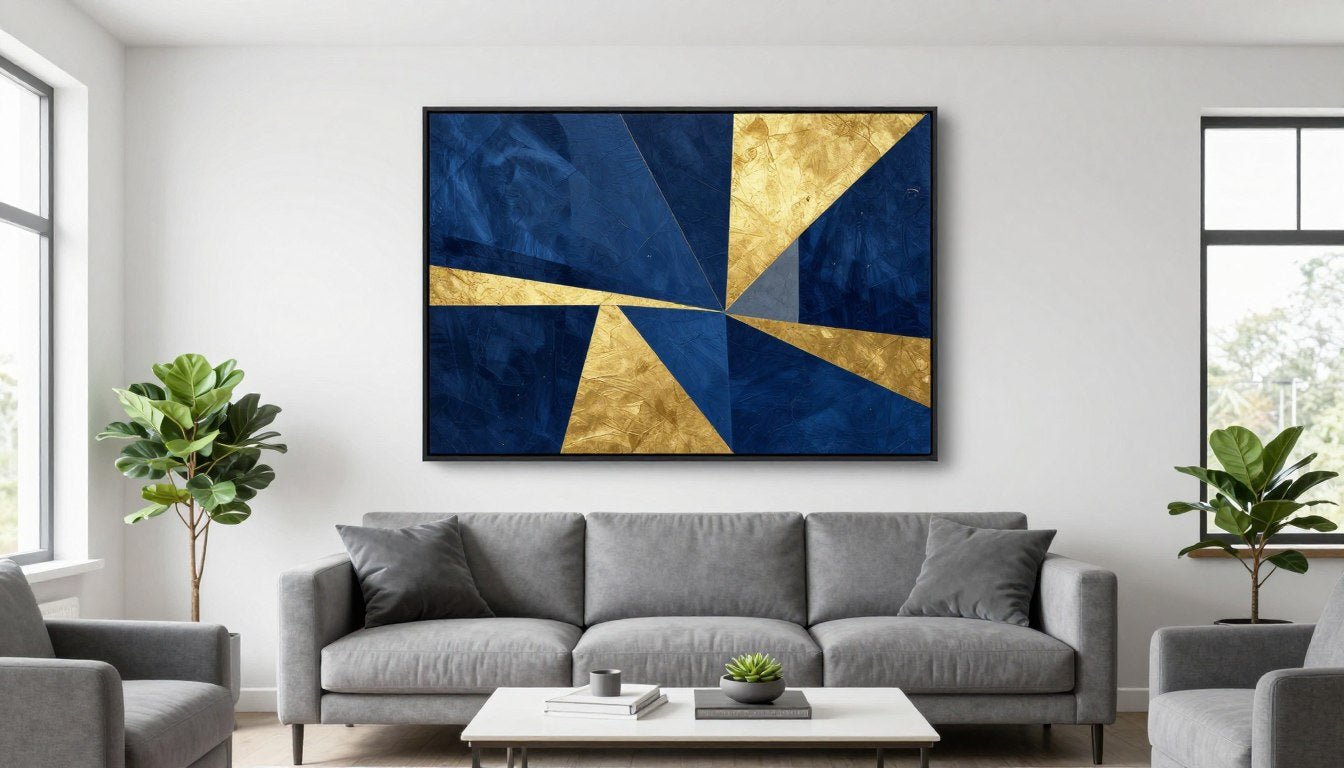
Why Size Matters When Selecting Oversized Abstract Wall Art
The living room is typically the heart of the home—a place for gathering, relaxing, and impressing guests. An oversized piece of abstract wall art serves as the visual anchor, drawing the eye and setting the mood. According to design principles rooted in proportion and balance, artwork that is properly scaled relative to furniture and wall space creates harmony rather than discord.
A poorly sized large abstract painting can make even the most beautiful room feel incomplete. Designers frequently cite the importance of scale: abstract art thrives on boldness, so undersizing it diminishes its emotional impact. Conversely, going too large without considering ceiling height or furniture width can create visual clutter. The goal is a piece that feels intentional, as if the room was designed around it.
Research from interior design resources, including detailed analyses of how big oversized wall art should be for large living rooms, consistently shows that oversized works—often starting at 48 inches on the shortest side and ranging up to 100 inches or more—perform best in living rooms with open layouts or high ceilings. They add depth through texture and color variation, particularly effective in abstract styles.
Measuring Your Space: The Essential Rules of Proportion
Before shopping for a large abstract painting, grab a tape measure. Accurate measurements form the foundation of good decisions.
The 2/3 Rule and 60-75% Guidelines
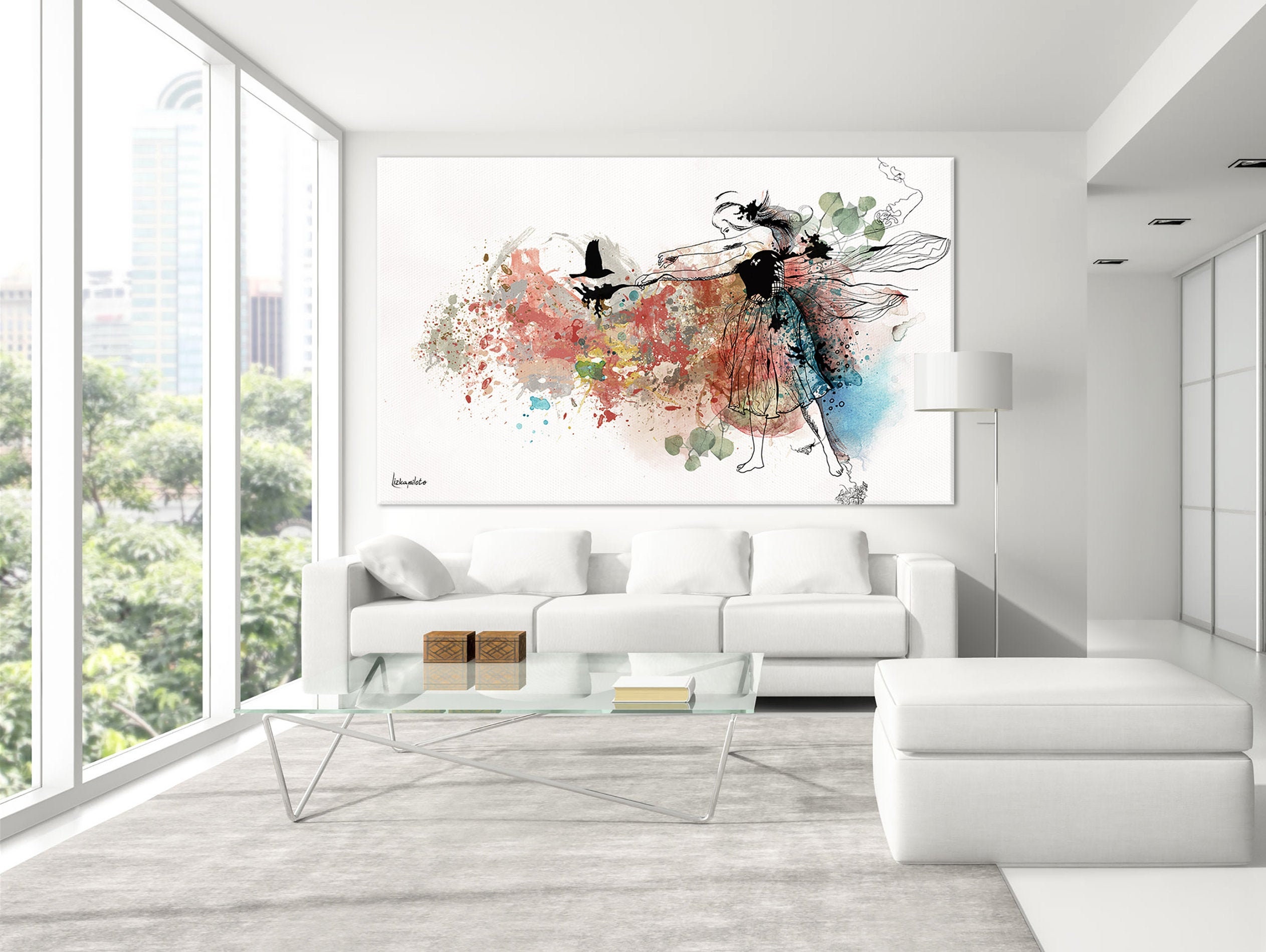
One of the most reliable formulas is the 2/3 rule for wall art. This guideline recommends that your artwork (or a grouping treated as a unit) should span approximately two-thirds the width of the furniture it hangs above. For example, above a 90-inch-wide sofa, aim for about 60 inches of art width. Many experts expand this to a 60–75% range for flexibility, allowing slightly more drama with oversized pieces.
For a standard 84-inch (7-foot) sofa, this translates to art between roughly 50 and 63 inches wide. For larger sectionals around 120 inches, target 80 to 90 inches. These proportions ensure the art feels connected to the seating without floating awkwardly or dominating completely.
On blank walls without furniture, a common approach is the "three-eighths" or similar calculation (as explained in this how-to size art guide): multiply the wall width by about 0.57 to 0.75 to leave balanced negative space on the sides. A 12-foot (144-inch) wall might suit a 80–100-inch-wide piece.
Height is equally important. The center of the artwork should typically sit at eye level, around 57 to 60 inches from the floor. When hanging above a sofa, leave 6 to 12 inches of space between the bottom of the art and the top of the furniture back. This prevents the piece from feeling cramped or too high.
Accounting for Ceiling Height and Wall Dimensions
Living rooms with 8-foot ceilings handle pieces up to about 40–50 inches tall comfortably. Higher 9- or 10-foot ceilings open the door to taller vertical or square formats, or very wide horizontals up to 70 inches high. Measure the usable wall space carefully, subtracting for windows, doors, or architectural features.
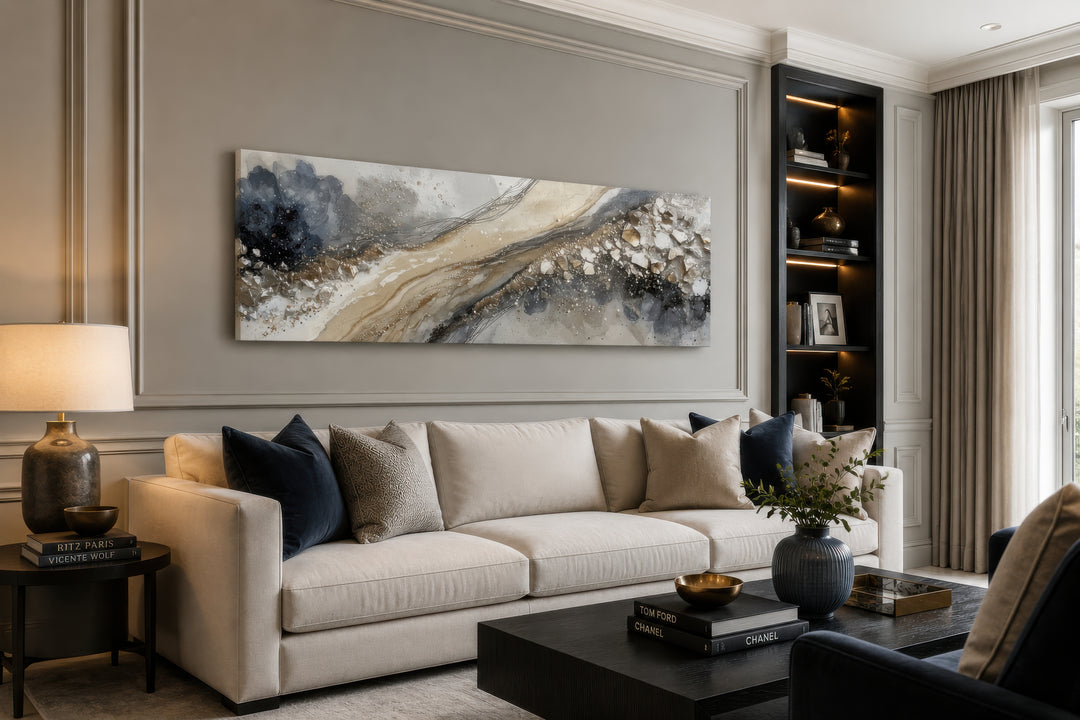
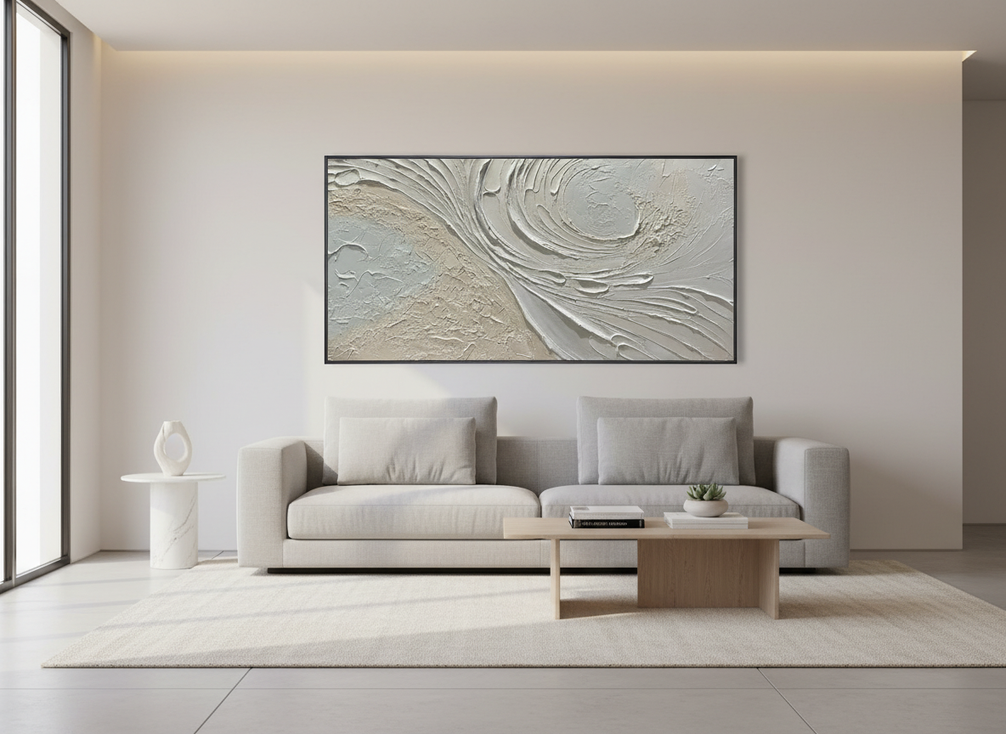
Recommended Sizes for Large Abstract Paintings in Living Rooms
Oversized abstract wall art typically begins at dimensions like 40x60 inches and scales up. Popular sizes that work well above sofas include:
- 48x72 inches: A versatile horizontal option for medium-large sofas.
- 60x40 or 60x90 inches: Strong statements that fill space effectively.
- 72x48 inches: Excellent for wider walls.
- 80x50 or 90x60 inches: Ideal for large sectionals and open-concept living areas.
- Multi-panel sets (diptychs or triptychs) totaling 80–120 inches wide with small gaps of 2–3 inches between panels for flexibility on very long walls.
For rooms with high ceilings or dramatic architecture, consider even larger custom sizes. Many specialists in custom big canvas abstract art and large abstract paintings offer made-to-order pieces in virtually any dimension, ensuring a perfect match rather than settling for off-the-shelf approximations. For detailed size guides, consult resources like this wall art size guide.
Orientation matters too. Horizontal formats complement the long lines of sofas and console tables, while vertical pieces suit tall, narrow walls or create height in lower-ceiling rooms. Square formats offer modern balance and work well as standalone statements.
Placement Strategies for Maximum Impact
Proper hanging technique elevates even the best-chosen piece. As detailed in expert guides on how to hang pictures and practical wall art size recommendations, start by determining the wall type and weight of the artwork. Oversized canvases can be heavy, so use stud finders, heavy-duty anchors, or multiple hanging points spaced appropriately.
Mark the wall with painter’s tape first to visualize the exact position. Lay the art (or a paper template) on the floor relative to furniture for a dry run. Ensure the piece is level—use a laser level for accuracy with larger works.
Lighting enhances abstract textures beautifully. Position the art to catch natural light without direct prolonged sun exposure that could fade colors over time. Picture lights or adjustable track lighting can highlight brushstrokes and metallic elements in the evening.
Consider the surrounding decor. Pair bold colorful abstracts with neutral furniture for contrast, or match softer neutrals and golds to existing accents for cohesion. Textured pieces add tactile interest that photographs and digital prints often lack.


Common Mistakes and How to Avoid Them
Many people choose art that is too small for the wall or furniture. A frequent error is selecting a 24x36-inch piece for an 8-foot sofa—it looks lost. Another is hanging too high, creating a disconnect from the seating area. Always measure twice.
Ignoring the room’s overall scale is another pitfall. In a spacious open-plan living room, a modest oversized piece may still underwhelm; go bigger or use multi-panel arrangements. Conversely, in cozier spaces, ensure the art doesn’t crowd walkways or feel oppressive.
Failing to consider frame or canvas depth can also affect the look. Gallery-wrapped canvases (image continuing around the sides) offer a clean, modern edge without frames, ideal for contemporary abstracts. Framed options add formality but require accounting for the extra width and weight.
Choosing Custom vs. Ready-Made Large Abstract Wall Art
While many retailers offer ready-made options in standard sizes, custom work provides unmatched precision. Services that hand-paint large textured abstracts to your exact measurements, colors, and style (geometric, expressionist, or minimalist) eliminate guesswork—ideal for unique walls or coordinating with rugs and pillows. Prioritize providers with quality materials, protective shipping for oversized pieces, and lead times of 1–2 weeks.
Styling Tips to Complement Your Oversized Abstract Wall Art
Once sized correctly, style around the piece thoughtfully. Keep the furniture below relatively low-profile and uncluttered so the art remains the star. Introduce complementary textures—linen throws, ceramic vases, metallic accents—that echo elements in the painting without competing.
In multi-functional living rooms, the art can zone the space, defining the seating area within a larger open floor plan. Mix the abstract with sculptural objects or plants for layered interest. Seasonal refreshes via pillows or lighting keep things fresh while the large abstract painting anchors the room.
Final Considerations: Budget, Longevity, and Personal Taste
Invest in quality materials—archival paints on sturdy canvas resist fading. The right oversized piece becomes lasting decor. Personal connection is key: choose forms and colors that resonate with you. By measuring carefully, applying the 2/3 and 60-75% rules, and opting for custom when needed, you select the perfect Oversized Abstract Wall Art for a balanced, professional-looking living room.

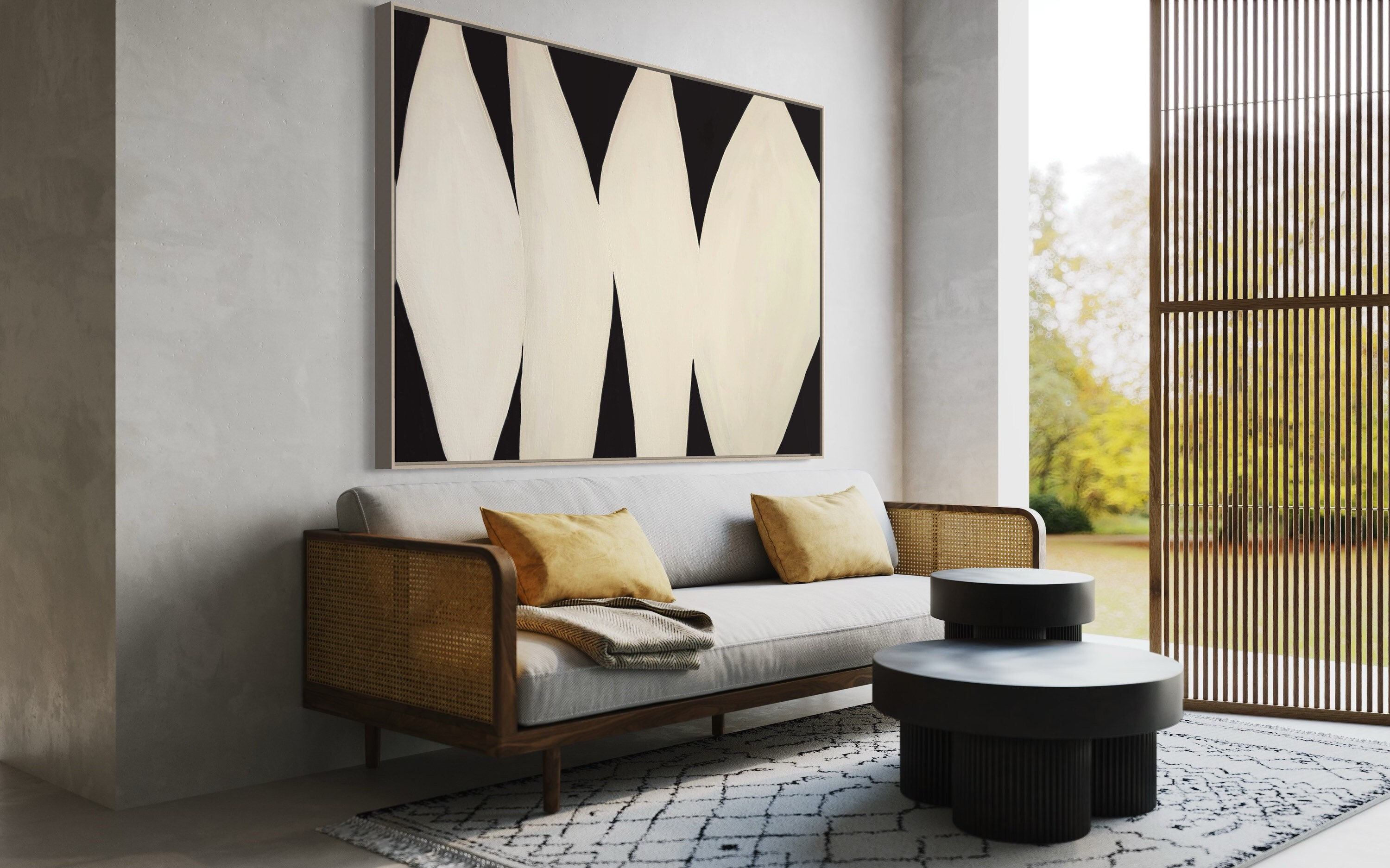
Frequently Asked Questions (FAQ)
Q: How big should oversized abstract wall art be for a standard living room sofa? A: Aim for 60–75% of the sofa’s width. For a typical 84–90 inch sofa, that means 50–70 inches wide for the art. Pieces 60–80 inches wide often create the strongest impact.
Q: What is the best height to hang large abstract paintings above a couch? A: Leave 6–12 inches between the bottom of the artwork and the top of the sofa. The center of the piece should be roughly 57–60 inches from the floor for comfortable viewing.
Q: Can I use multi-panel abstract art instead of one large piece? A: Yes. Diptychs or triptychs totaling the ideal width work excellently, especially on very wide walls. Keep gaps small (2–4 inches) so they read as a cohesive unit.
Q: How do ceiling height and room size affect the choice of large abstract painting? A: Higher ceilings (9+ feet) support taller or larger overall pieces. In open-concept or large living rooms, go bigger (80+ inches) to avoid the art looking insignificant. Measure usable wall space carefully.
Q: Should I choose framed or unframed canvas for oversized abstract wall art? A: Gallery-wrapped (unframed) canvases offer a sleek, modern look popular for abstracts. Framed pieces add structure and can protect edges but increase weight and cost. Choose based on your style and installation capability.
Q: Where can I find custom oversized abstract wall art that fits my exact measurements? A: Specialists like BigArtify offer hand-painted custom large canvas abstracts in any size, with options for colors, textures, and styles tailored to living rooms. This ensures perfect proportions without compromise.
Q: How do I hang a heavy oversized abstract painting safely? A: Use heavy-duty picture hangers rated for more than the weight, locate wall studs when possible, or use appropriate anchors. For pieces over 60 inches wide, two or more hanging points are recommended for stability and levelness. Consult guides on hanging techniques for wall-specific advice.
Q: Will oversized abstract wall art work in a small living room? A: It can, if scaled appropriately (perhaps the lower end of oversized, around 48–60 inches) and placed thoughtfully. A well-chosen large piece can actually make a small room feel more expansive by creating a strong focal point and reducing visual clutter elsewhere.
By applying these principles, your living room will benefit from the transformative power of perfectly sized Oversized Abstract Wall Art. Measure, plan, and select with confidence for a result that feels both bold and balanced.