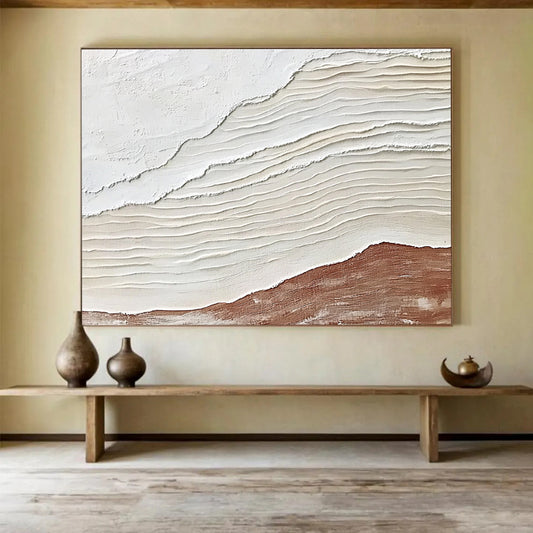
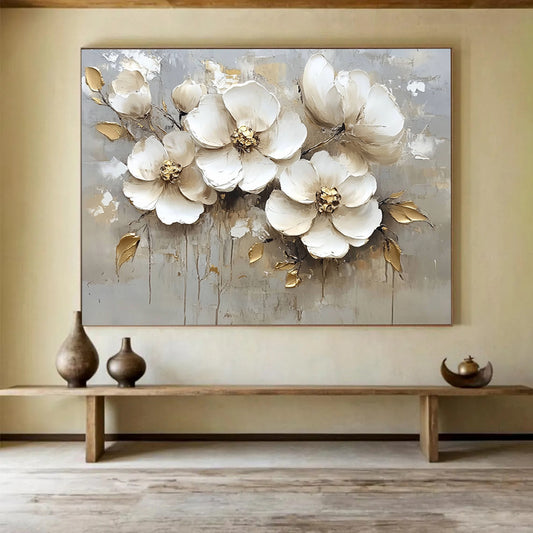
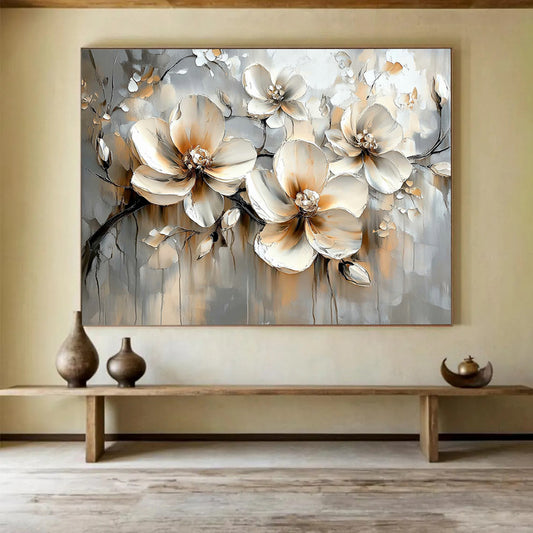
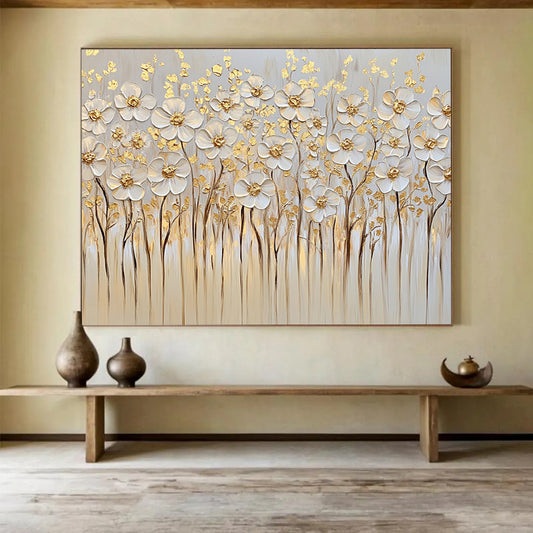
How to Choose Textured Art for Walls That Catch Light
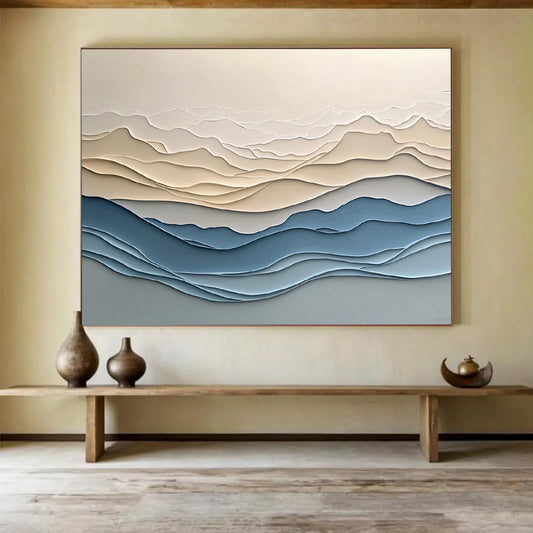
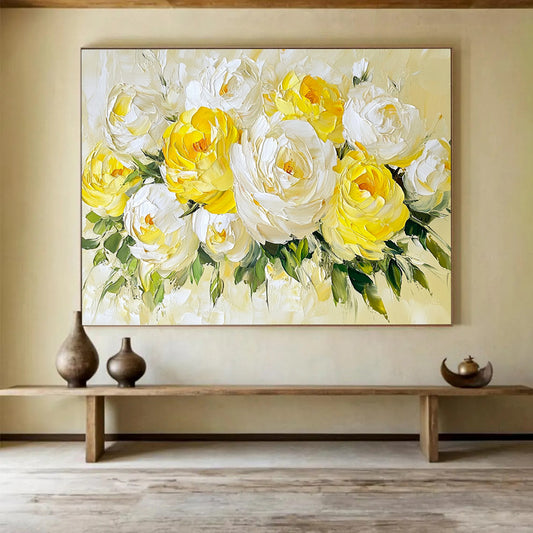
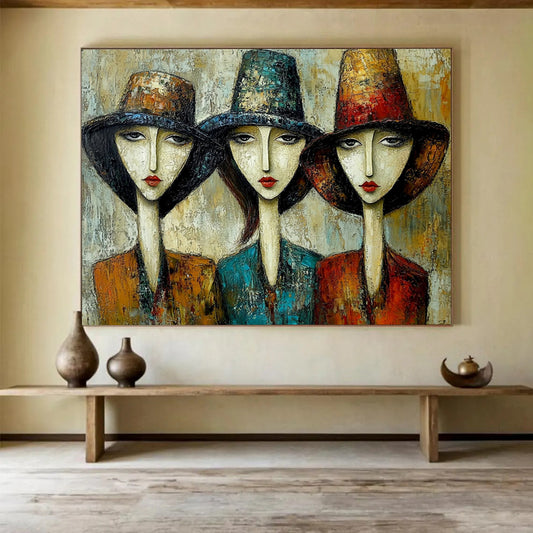
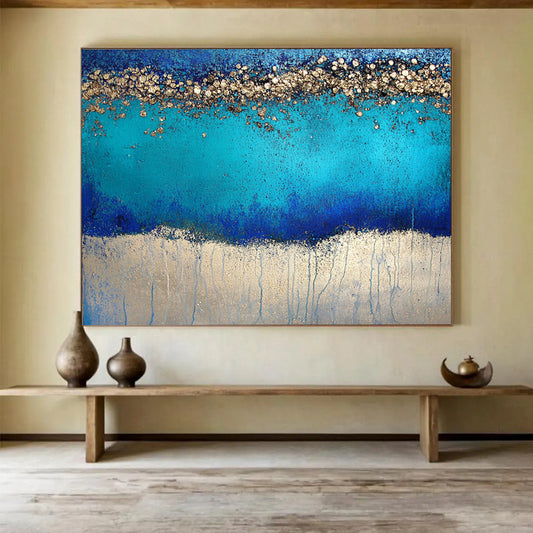
Texture is not a finish you add at the end. It is the reason some canvases hold a wall and others look like a flat file. Ridges throw small shadows. Knife marks change between morning and evening. If your room has only dead overhead light, much of that work disappears.
Look through BigArtify’s Textured Art after you know how the wall is lit. Then decide how much relief you actually want—not how “3D” the product title sounds.
What texture is doing in a painting
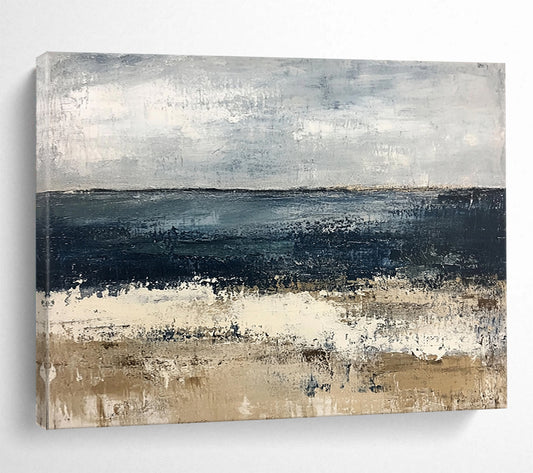
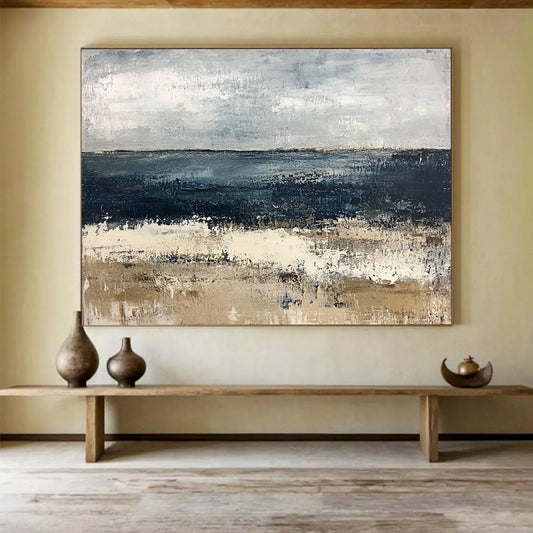
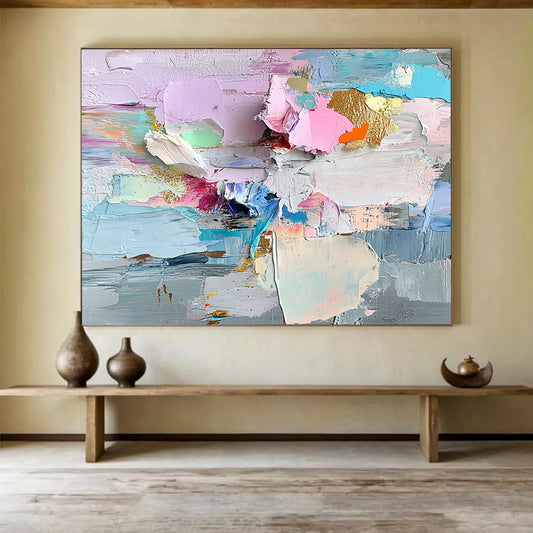
Paint laid on thick enough to keep the mark of a brush or knife is impasto. The paint stands off the canvas; light hits the peaks and slips into the troughs. Tate’s glossary puts it plainly: impasto is an area of thick paint or texture, and in modern painting the surface is treated as a fact, not only as a window onto a scene.
A related studio habit is matter painting—heavy paste that may include sand or other material so the picture is as much object as image. You do not need grit in the medium to buy well. You do need to know whether you are purchasing a slightly raised stroke or a relief that reads from the doorway.
Three common studio levels:
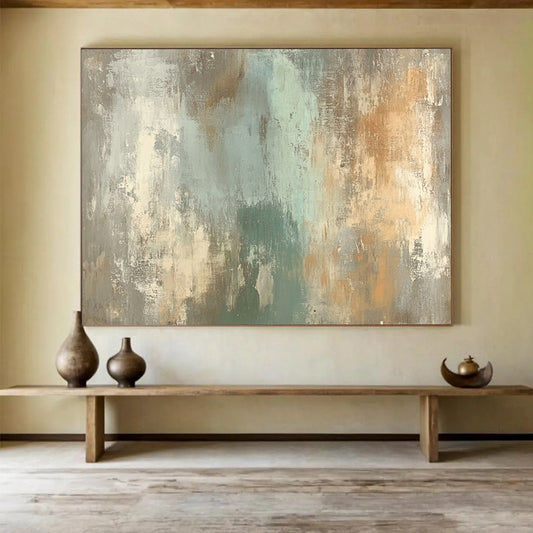
- Soft texture: layered brushwork, low ridges, visible but not sculptural.
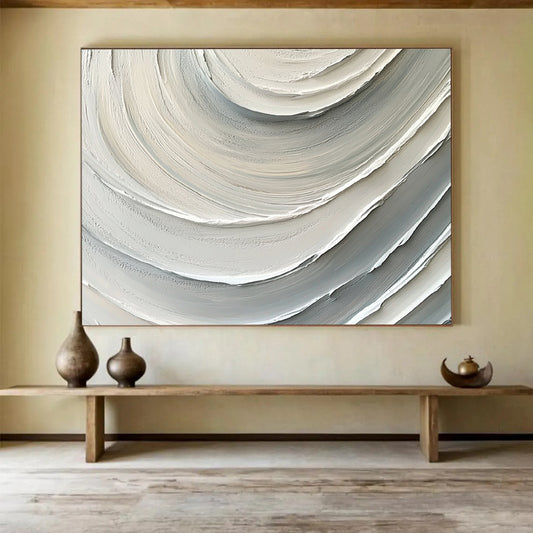
- Knife / impasto: clear peaks, directional strokes, shadows that move with daylight.
- Relief or mixed-media build: shapes stand several millimeters off the ground. These are the pieces that collect dust and need side light.
Light first, then style
Stand in the room at the hour you use it.
Sidelight from a window is texture’s friend. Afternoon sun across a living-room wall will make even modest impasto readable.
Overhead spots only flatten most work. If that is the lighting you have, buy lower relief or plan a picture light from above-front at a shallow angle—not a ceiling can blasting straight down.
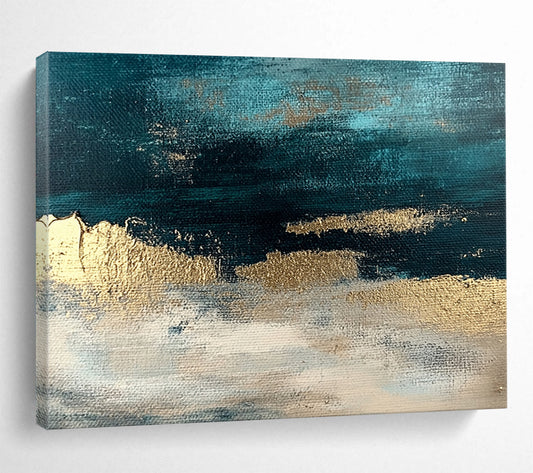
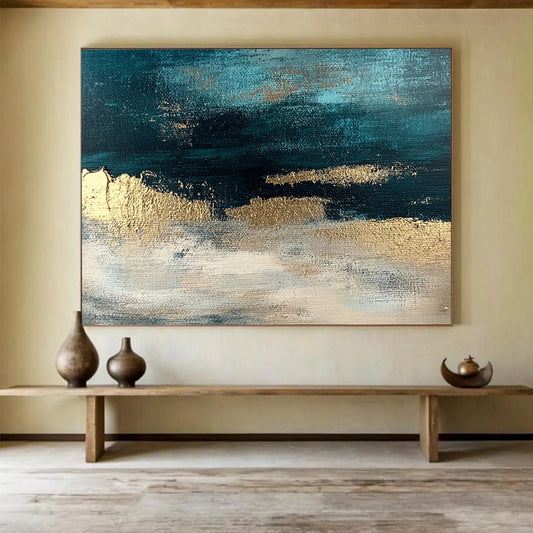
Gloss versus matte. High-gloss peaks sparkle and also show every scrape. Matte or satin impasto is easier in family rooms. Metallic leaf on raised planes will flash at night; use that on purpose, not by accident.
How much texture a room can take
Texture is pattern. It competes with herringbone floors, veined stone, heavy weave sofas, and gallery walls.
Quiet rooms—plain plaster, simple sofa, little print—can carry aggressive knife work. Busy rooms need a calmer field: large planes, limited color, texture concentrated in bands rather than in every square inch.
Bedrooms generally want softer build. High relief next to a bed collects shadow and can feel restless. Dining rooms and entry walls tolerate more physical paint because people move past them.
Do not pair a heavily built canvas with a busy geometric rug on the same sightline. One of them should stay quiet.
Color on a built surface
Texture changes how color reads. The same gray is cooler in a trough and warmer on a ridge that catches lamp light. That is useful. It also means a thumbnail on a phone is a poor proof.
Ask for a detail photograph taken at an angle, not only face-on. Face-on photos erase the thing you are paying for.
Palettes that survive texture:
- Graphite, chalk, and one warm earth
- Ivory, sand, and a single ink or rust mark
- Quiet monochrome where the subject is the surface
Palettes that fight texture:
- Six high-chroma hues plus gold leaf plus deep impasto
- Pure optical white peaks on a cool blue-white wall (the painting vanishes)
Size, depth, and shipping
Texture has physical depth. Confirm the unframed thickness. A piece that stands half an inch off the stretcher will not sit in a standard slim frame without a spacer.
Large textured canvases often ship rolled. That is a risk for high peaks. Ask whether the studio paints after stretching, or paints then rolls. Thick oil that is not fully cured can scuff or flatten in a tube. If the relief is extreme, crate shipping is the safer sentence in the product email, even when it costs more.
Custom width still follows the usual wall rules: about two-thirds of the sofa, 60–75 percent of an open wall, margin around the canvas. Do not upsize a small, densely carved sketch into a six-foot field without checking that the marks still make sense at distance. Micro-texture that looks rich at 12 inches can read as noise at 10 feet—or as nothing.
A practical checklist
- Lighting direction confirmed at the hanging hour.
- Relief level chosen: soft, knife, or built-up.
- Room pattern inventory done so the painting is not a second busy surface.
- Angled detail photo reviewed.
- Depth, framing, and ship method (roll vs crate) in writing.
- Size set by the wall, not by the word “textured” in the title.
Buy the surface you can see in your light. The composition is what remains after the sun moves.
How can I tell real textured art from a printed texture?
Look at an angled close-up. Real impasto throws a shadow that changes when the camera moves. A print of texture stays flat; highlights are inked in place. If the shop cannot send a side-on detail, assume the surface is low.
Does textured paint need a frame?
Not always. Deep-edge gallery wrap can show the build on the sides. A floating frame with a gap protects edges and looks finished on a sofa wall. Avoid forcing high relief into a tight rebate that crushes the peaks.
Will thick paint crack when the canvas is rolled?
It can, if the film is brittle or not cured. Ask how the studio ships oversized work. Modest brush texture usually survives a tube; sharp knife peaks and mixed-media relief are safer in a crate.
Is textured art only for modern living rooms?
No. Soft, earth-colored impasto sits well in warm traditional rooms. High-contrast, high-relief abstracts belong with simpler furniture. Match the energy of the surface to the room, not to a style label.
How do I dust a heavily built canvas?
Use a soft, dry brush from the top down. Do not wipe wet or press into peaks. Keep the hanging wall out of kitchen grease and direct HVAC blow if the relief is deep.
What size textured painting works above a sofa?
The same width rule as other large canvases: about two-thirds of the sofa. Height is separate—too tall a relief piece will loom. Leave 6–10 inches above the cushions so the texture is seen, not bumped.