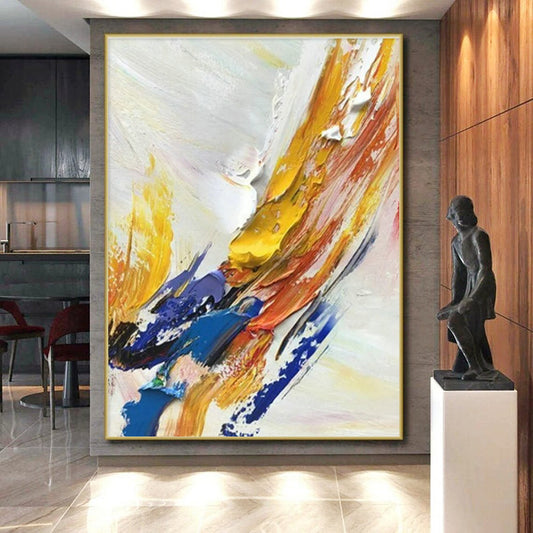
How to Choose Wall Art For Dining Room Walls That Have to Work for the Length of a Meal
A dining room is a timed room. People sit facing one wall for thirty minutes or three hours. They talk across a table that already has plates, glass, and a pendant dropping warm light onto food. Wall art for dining room use is not a second sofa picture and not a sanctuary over a headboard. It has to hold that span of attention without competing with the meal.
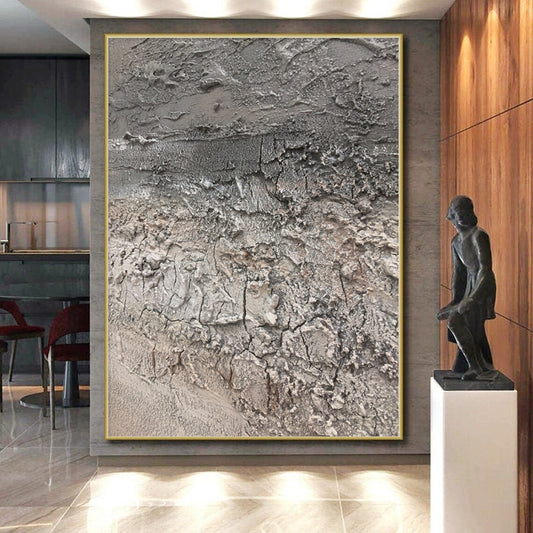
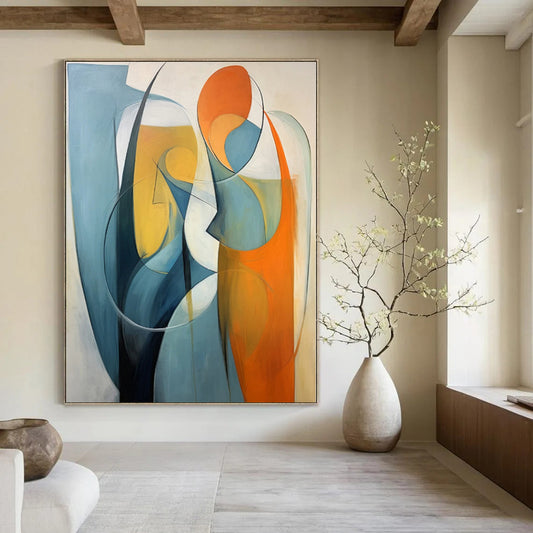
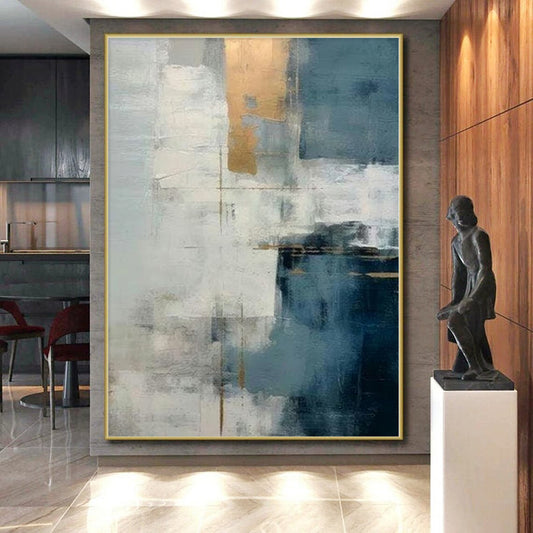
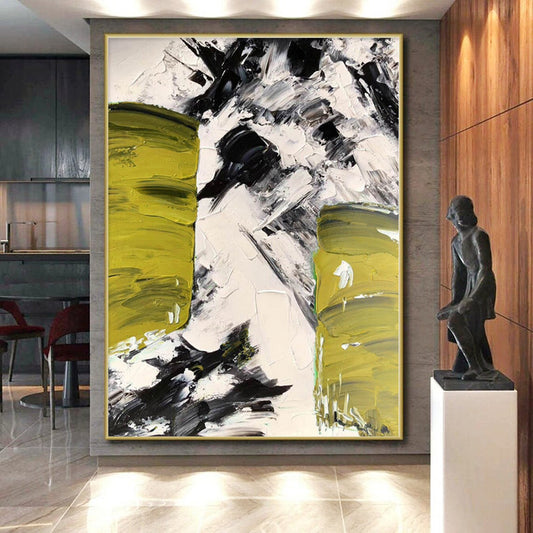
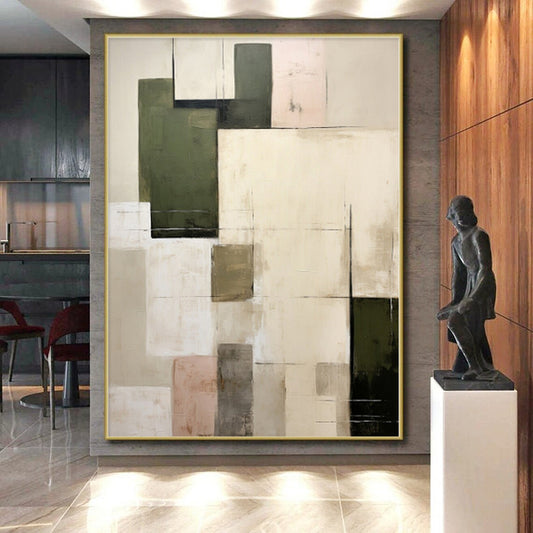
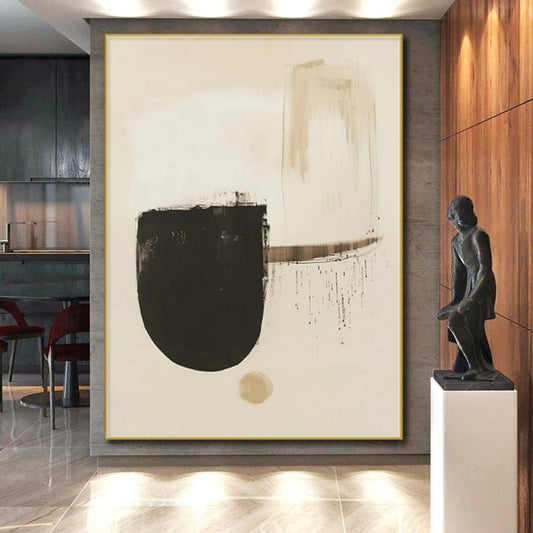
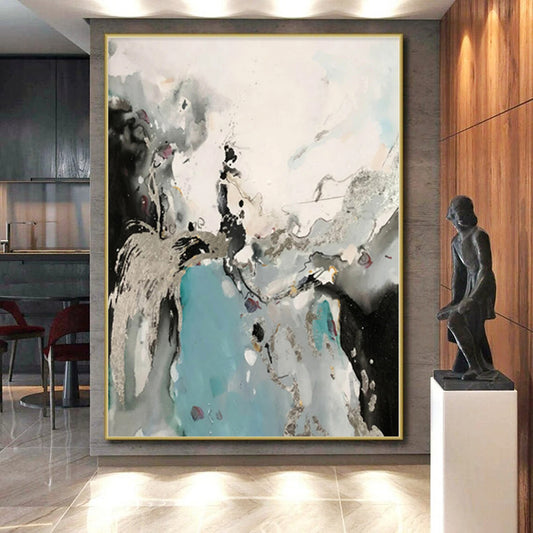
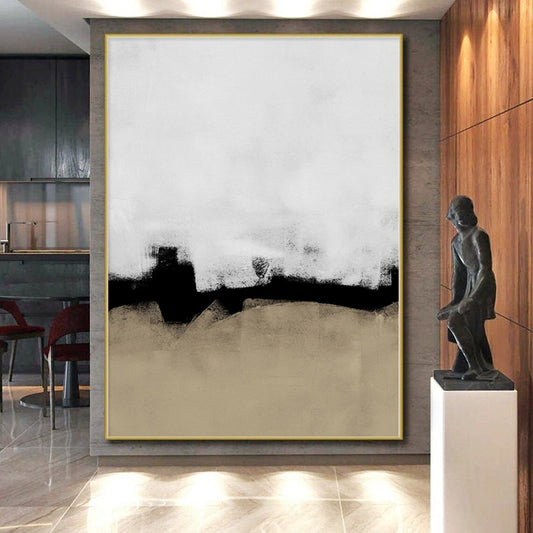
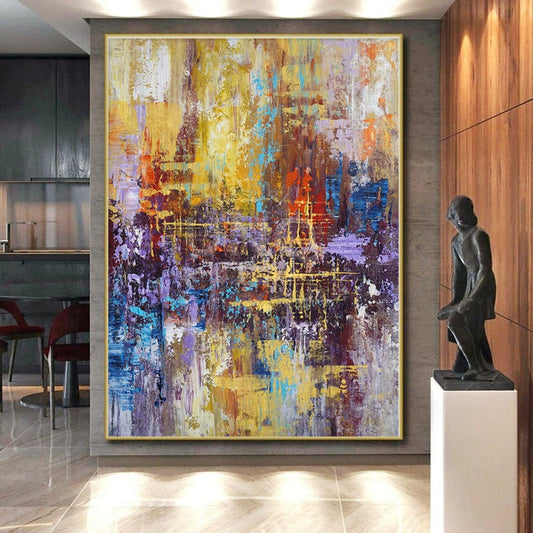
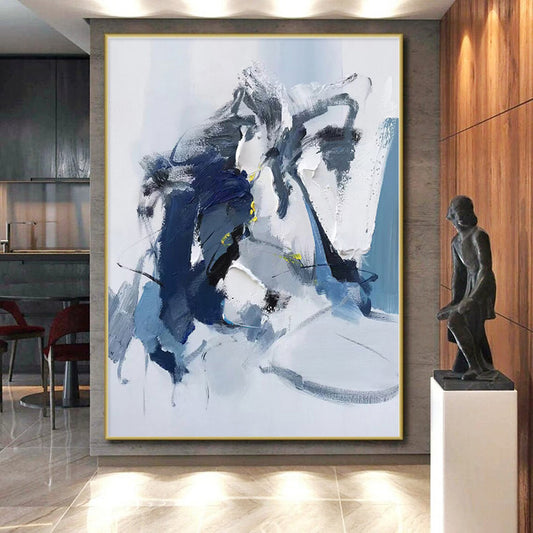
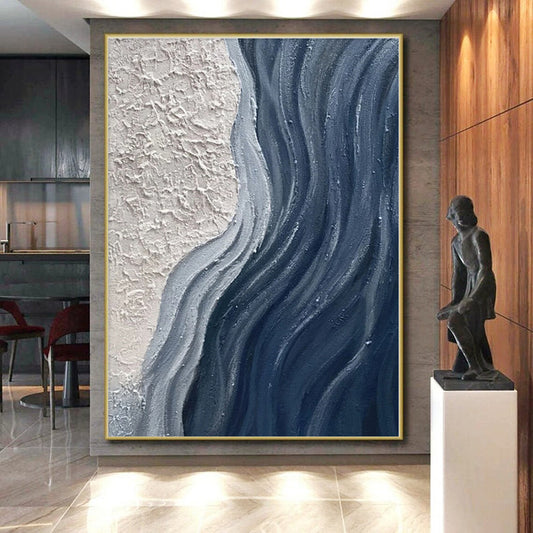
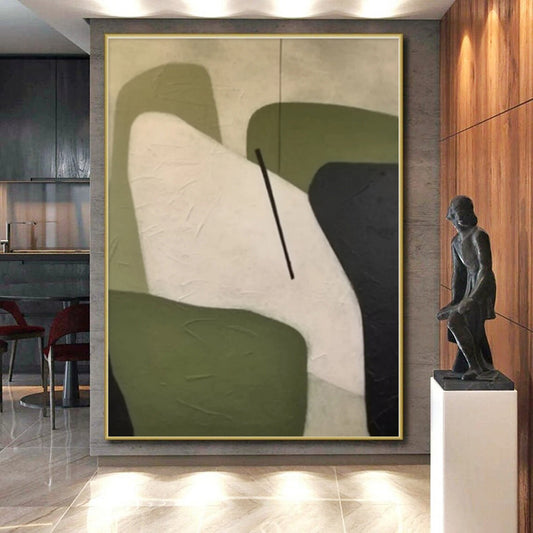
Wall Art For Dining Room in this collection means hand-painted canvas for the wall the table faces, or the sideboard wall behind the host. The listing is a climate. The piece you receive is painted to order in that climate—not a “bedroom and dining room” thumbnail wearing two rooms at once.
The table was a subject before it was a furniture problem
Western painting already treated the dining plane as a picture. Wikipedia’s article on still life is the right first cut: objects on a table, arranged so looking itself becomes the event. Fruit, metal, cloth, a glass catching a window. You do not need a painted oyster on a contemporary wall. You need the same intelligence. The dining canvas should feel as considered as a table that has been set.
Tate’s glossary on still life calls it one of the principal genres of Western art. Cubists took bottles and newspapers apart on a tabletop. Dutch painters stacked banquets until the cloth sagged. The through-line is not “food art.” It is looking at a horizontal plane under domestic light.
The Met’s essay on still-life painting in Northern Europe is sharper about dining as a social fact. Banquet and breakfast pieces belonged to houses that cared about the table: commerce, hospitality, the gleam of a glass. Pronk pictures showed off. Quieter monochrome breakfasts showed restraint. That split still maps onto a modern dining wall. A loud mural behind weeknight pasta is costume. A clay-and-slate field behind a long oak table is closer to the breakfast piece: enough presence, no theatre.
Ignore the slogan that a certain hue “scientifically” makes people eat more. What you can specify is heat and glare. Dining already supplies warmth—wood, wine, incandescent pendants, the food itself. Another cadmium blaze on that wall stacks temperature until the room feels like a restaurant trying too hard. Rust, olive, and a quieter dusk are usually easier than a second sunset.
The table is the horizon. Measure that line.
Stand where the host sits and where a guest sits. Photograph the facing wall with the pendant on, at the hour you actually eat. Measure:
- The length of the table, or the sideboard if that is the wall you have.
- The height from the chair rail or the top of the sideboard to the ceiling line you want to keep clear.
- The competition: a mirror, a window, a bar cart, open shelves of glass.
Give the canvas most of the table length so leftover drywall does not frame it like a menu board. A horizontal field almost always fits, because the furniture line is wide. A breakfast nook with a square table can take a square or a smaller horizontal. A skinny vertical behind an eight-seat table looks like a leftover from a hallway collection.
Hanging height follows the seated eye more than the standing museum average. Too high, and everyone looks at empty plaster while they talk. Too low, and the canvas fights the heads and the backs of chairs. Leave clearance so a person rising from the table does not brush high texture.
Light in this room is downward and warm. A glossy pale field under a pendant becomes a second lamp. Matte or satin mid-values keep the wall as architecture. Steam and the occasional splash of oil are minor but real; a quieter skin is easier to live with than brittle peaks above the place you carve. Sideboard walls can take more relief than the wall two feet from diners’ shoulders.
Color should share a temperature with the table wood and the evening bulbs, not with one runner you will replace. Oak sits with olive, clay, rust, and gray-green. Dark walnut can take deeper maroon or slate. White lacquer wants a mid-to-deep plane so noon brunch does not erase the painting. If the room already has orange upholstery and a west window, do not add another tangerine field.
What an abstract dining canvas should refuse
This collection’s grid is full of canvases also labeled office, bar, entry, and bedroom. That is a merchandising habit, not a brief. Dining-room work should refuse:
- A second television of busy marks that make conversation compete with the wall.
- Printed “texture” that goes dead when you sit with it for an hour.
- A tiny picture in the middle of a long table wall.
- High-gloss pale yellow that turns the pendant into glare.
Handmade paint is the advantage in a room of duration. Layers break as you look: a darker trough, a scraped clay, a gray ground that keeps heat from floating. Look for angled close shots, oil or acrylic on canvas, painted to order. Approve photos before it ships. Custom width exists for the table you measured.
A short buying order
- Photograph the facing wall with the pendant on.
- Measure the table or sideboard length.
- Choose breakfast-piece quiet or banquet presence—not both.
- Match temperature to wood and evening light.
- Keep sheen low enough that glass and plates stay the brightest objects.
- Review photos of the finished canvas before it ships.
Wall art for dining room walls is a meal-length decision. One handmade plane, sized to the table line, lets the room stay a table. A mural that wants applause does not.
Should dining art hang over the sideboard or facing the table?
Facing the seats if that wall is empty—that is the wall people look at while they eat. Use the sideboard wall when the facing wall is windows. Do not put two extra-large canvases on both; the table can only answer one plane.
Is warm color required in a dining room?
No. Warm wood and pendants already supply heat. A cooler slate or olive field can keep the room from stacking into one orange climate. Choose temperature against the light you cannot turn off.
Can I hang high-relief plaster above a dining table?
Better on a sideboard wall than over diners’ shoulders. Steam, dust, and a standing guest are harder on brittle peaks. Mid relief is usually enough for this room.
Will abstract art feel too cold for family dinners?
Not if the field has earth in it—clay, olive, rust-gray. Cold is icy mint or chrome yellow on a white box. Structure without a fruit bowl can still feel hospitable.
How wide should the canvas be relative to the table?
Occupy most of the table length, with breathing room at the corners. A small picture centered on an eight-seat table looks like a placeholder.
Can I order a custom width for a long walnut table?
Yes. Send the table length, the wall width, and a photo with the pendant on. Keep the same climate as the listing, and approve images of the finished surface before shipping.